

What to do on your property in August
It’s the peak of the summer heat and most of our annual veggie gardens are still “asleep” for the summer (with the exception of a few beans, okra, and summer pumpkins). Most of us have legumes (like Sunn Hemp) planted as cover crops, and they will be ready to chop and turn into the soil in the middle of the month.
Right now, our food forests are in full swing and popping with abundance! Mango season is wrapping up soon (for many), but Avocado season is just getting started. Not to mention, many other fruit trees and berry bushes are in peak season this month (tropical cherries, Pitangatuba, Acerola, Peanut butter fruit, Carambola, Pineapples, Bananas, etc).
The main thing to keep in mind this month is to keep an eye out for fungal issues, which can happen overnight in warmer climates. And remember, July and August are (and should be) a bit slower, so be sure to take it easy and stay hydrated! This is like “winter” for those in the North. haha!
Before you continue, remember, this list is tailored for warm temperate and subtropical climate growing zones, but if you are looking for cold temperate lists… Click here for USDA Zones 3-8.
In the Garden
- Things to plant by seed: squash, zucchini, pumpkins, corn, beans, eggplant, watermelon, tomatoes, and more pumpkins. Many beans can also go in now (direct sown into soil): Jack beans, pigeon pea, lima, butterfly pea, yard long beans, etc.)
- Harvest: Okra, tropical spinaches (longevity, Okinawa, Brazilian, and Suriname). You can also use leaves from cranberry hibiscus, Chief Kobu’s South Sea Salad, and Auntie Lilli’s South Sea hibiscus for salads. Butterfly pea flowers are in full bloom and can be used in salads or tea. Butterfly pea flowers can be picked and dried now for winter enjoyment.
- Summer Tea: Jamaican sorrel (Roselle) calyxes can be used for tea (later in the month). You can also use leaves from olives, Moringa, Spanish needle, Cranberry Hibiscus, Lemongrass, and Lemon Balm for refreshing summer teas and tisanes. Enjoy these teas over ice and add organic raw honey from a local bee keeper.
- Mulch: Keep bare soil covered completely to prevent water evaporation and protect microorganisms. Add a little more compost and wood chips around fruit trees and berry bushes. Add another layer of straw around garden veggies.
- Sunn Hemp: This is the month to chop and drop your Sunn hemp. It can be buried for faster decomposition or left on top of the soil to break down. Cattle and horses can eat it BEFORE the flowers bloom, but it should not be fed to livestock once flowering has started.

It’s time to start making tinctures and drying herbs.
In the Greenhouse
- Start taking cuttings: elderberry, Sugarcane, Barbados cherry, Fig, Mulberry, etc.
- Plant trees / shrubs by seed: Jaboticaba, miracle fruit, loquat, mimosa, moringa, mango, etc.
- Clean and sterilize the plastic pots used this winter / spring
- Set mouse traps to control critters
- Hang fly traps to control aphids, flies, and other pests
In the Food Forest
- Harvest: elderberry, Dwarf Ever-bearing mulberry, Muscadine and Southern Home Grapes, and Olives. Finish harvesting mangos and early avocados. Keep harvesting Starfruit, Strawberry tree, and figs too!
- Mulch: Apply mulch / wood-chips around the base of fruit trees. Keep the wood chips away from the base of the tree, because if they touch the trunk it can cause rot or bacterial issues. Wood chips will encourage mycorrhizal activity and strengthen the root system.
- Avocados: Keep mulching and adding light compost around the base of avocados. Chop-and-Drop things like moringa, pigeon pea, and Mexican sunflower to create biomass at the base.
- Mangoes: Prune (via tipping the terminal branches) a few weeks after they are finished fruiting. This will increase your chances of fruit set next year.
- Chop & Drop: Time to harvest a round of moringa, legumes, and pigeon pea for chop-and-drop. Doing this now will ensure another harvest before winter months.
- Herbs around fruit trees: Start harvesting herbs to dry and make tinctures.
- Harvest elderberries: If you are making elderberry tinctures, teas, or wine – now is your time to harvest. Whatever you do not harvest, the birds will take care of for you. It is also a great time to harvest elderberry canes for cuttings and propagation.
- Watch for fungal issues on leaves and apply organic neem spray as needed. This time of year with heat and humidity, fungal issues can pop-up overnight. Trees that are the most susceptible: sugar apple, sour sop, June plum, kratom, ginger, and coffee.
- Continue planting fruit trees and berry bushes during the rainy season. For a tutorial on how to plant, click here…
- PLANT CLUMPING BAMBOO!! Rainy season is a great time to plant these as forage, fodder, barriers, hedges, statement pieces, or medicinal / culinary purposes. Use LOT of wood-chip mulch at their base, because they love fungal dominated soil.
- Install a banana circle
- Hold off on fertilizing until next month. Use this month to allow the plants to grow during the last of the rainy season.
- Pastures: Plant wildflower seeds (in small batches) to make use of the last of the rainy season. Plant Timothy grass in pastures for cattle and livestock. Use about 4lbs per acre if you are mixing into an established pasture. Timothy grass is high fiber and has great energy content (lower protein). It is drought tolerant and has a lower moisture content.

Reminder: Elderberry must be cooked before eating.
In the Shed
- Give power tools a quick check (oil, air filters, and clean off exteriors).
- Check mouse traps and keep animal feed in sealed containers.
- Give cutting tools a good cleaning (using rubbing alcohol) and oil afterwards to prevent rust.
- Sweep and clean out cluttered areas. Spend time working in the shade.
August Gardening To-Do List Continued…
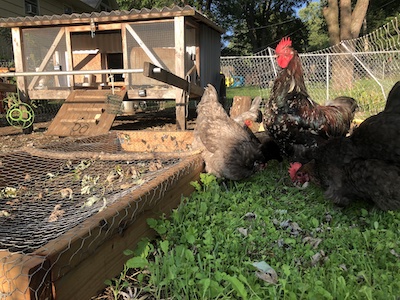
In the Chicken Coop
- Chickens: Some of the early spring chickens will start laying soon. Once the first egg has appeared, switch chickens over to a layer feed and/or provide supplemental calcium.
- Harvest comfrey and feed to chickens, horses, goats, and cattle.
- Quail: Mix apple cider vinegar and honey with their water once a week. Pick fresh flowers and grass seed heads to put inside their coop and nesting area. This is a great time to provide supplemental protein using meal worms and small crickets.
- Deworm (if you missed it in June / July): Use 1 tablespoon of Basic H in a 5 gallon waterer (1tsp per gal) for chickens. Add 1.5 cups to a 100gal waterer basin for cattle and horses. Available in bulk (much cheeper for farm use) This should be their only water source for two days.
- Coop clean out: On a sunny day with a breeze, clean out the coop in the morning. Use Basic H organic cleaner and spray everything out. Leave the coop open all day to dry it out with good airflow. Clean out all waterers and feeders using a bleach solution.
- Add wood ash to the dustbath to help prevent and treat lice and mites.
- CLICK HERE for extra tips on keeping chickens cool during hot summer months.
Around the House
- Keep South and West facing shades closed during the day time in order to block out the hot sun.
- Open up the windows on cooler nights to help air out the house and let in fresh air.
- Replace your HVAC filters
- Check batteries in smoke alarms and carbon monoxide detectors
- Wash windows (inside and out). Use a product like “Invisible Glass” to avoid streaks.
- Apply UV protectant to your recreational vehicles (boats, car interiors, RV’s, decals, etc.
- Spray tire shine and protectant on vehicle and trailer tires to prevent sun damage
- Fertilize house plants: give houseplants a good fertilization and shower to clean off leaves. If doing this outside, be sure to take them to a full shade area.
In the Perennial Flower Beds
- Dead-heading: Cut back spent flowers in order to get a second bloom. Spent flower heads can be fed to chickens or composted.
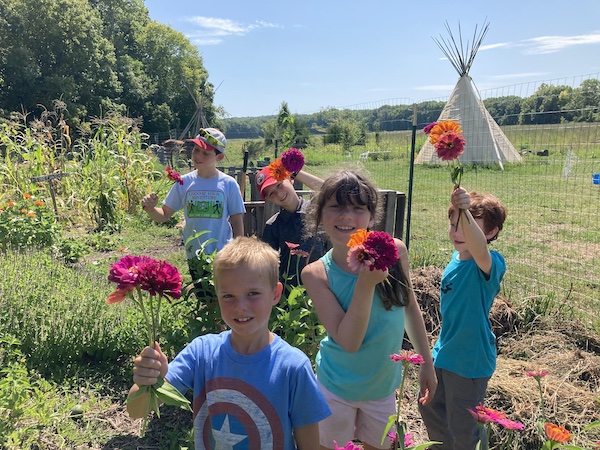
- Cut back any spent annual flowers and start planting new cosmos, zinnias, etc. Plant a little at a time to prolong your blooming season.
- Take cuttings of cassava, Mexican Sunflower, chaya, etc.
- Add extra wood chips to areas that are in full sun in order to protect soil health and microbial activity
- Bring cut flowers indoors and share with neighbors, especially those who are shut-ins or elderly
- Annuals: If you want annual cut flowers (cosmos, marigold, zinnia, sunflower, celosa, etc for Thanksgiving, starting planting a few seeds per week over the next month. If you do this, then you’ll have lots of fresh flowers this fall.
Kids & Family Activities
- Backyard Camping: If you live in a safe neighborhood, set up a tent outdoors so the kids can campout in the back yard. Think about activities from your childhood… s’mores, comic books or paper back stories, flashlights, sparklers (with supervision of course), campfire pie makers, etc.
- Sprinkler Games: It’s amazing what kids will do if we just provide a sprinkler, some new blow up toys, and a few buckets for water.
- Fort building: Help kids build a ground fort or play area with sticks, logs, bamboo, branches, etc. Provide them with string for tying things together, a few zip ties, and some old blankets for the ground inside.
We’ll see you in the garden! Thanks for reading and sharing this link in your favorite online groups.
To have the list delivered to your inbox every month, sign up using the button below.


Thanks for ALL the Amazing tips and advise you give!!! It is greatly Appreciated!!❤️
Wow! That is a lot of work! I am tired just from reading it. Going to get busy right now. Thank you for the awesome to-do list!
Awesome