

This is the time of year that many gardeners are waking up in the morning after dreaming of their spring gardens the night before. As we get our morning coffee, we pull out the seed catalogues and sit next to the wood stove and look at the snow out the window. All the while, wishing for springtime to come early this year.
After growing up in Michigan and living much of my adult life in Kansas City, Missouri… this time of year was a struggle. I was mentally ready for 70 degrees, but I also secretly enjoyed the snow storms and bundling up under the blanket. For me, the pre-spring winter has always been the perfect time to listen to podcasts, watch some online gardening videos, and read a few extra blogs on food forest work. I was priming the pump mentally for the soon and coming spring.
So, without any more of my rambling…Here the list of what you could do in your garden in March, if you live in the Midwest (specifically in USDA zones 3-8). Granted, weather isn’t exactly a science… well it is… it’s just not an exact science. Just keep a close watch on your weather and plan your planting accordingly. If you are not sure what your growing zone is (or how to use it), watch this tutorial video. If you are in a warmer climate, don’t worry, you can CLICK HERE for the Zone 9-11 March To-Do List.
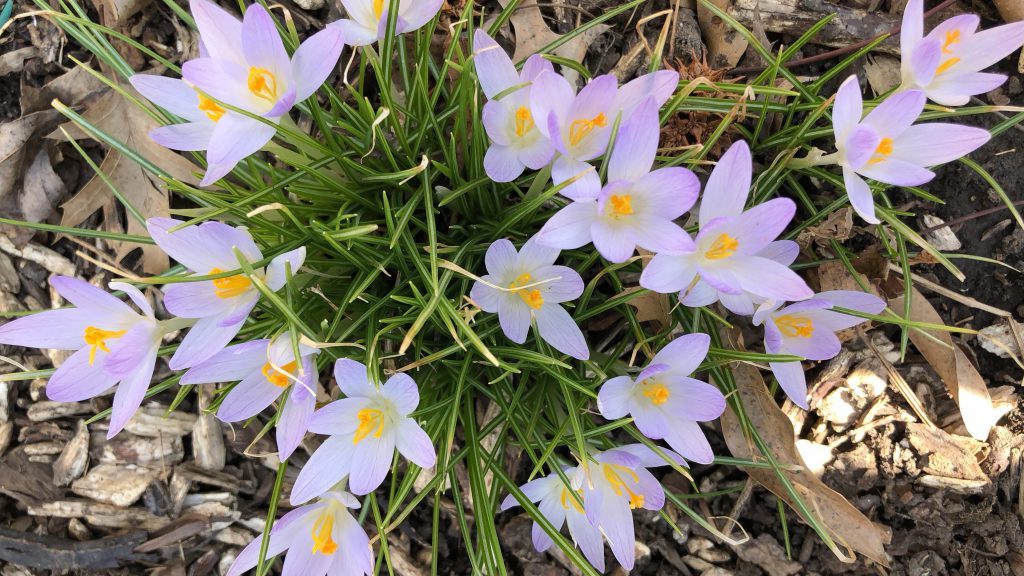
In the Garden
- Take soil tests and send to your local extension office. Take samples from each area of your yard and make sure to get the detailed report. The most important part for me is not the NPK… it’s the amount of organic matter! Generally speaking if you have a higher percentage of organic material in your soil, the rest of the soil health will follow suit.
- Apply soil amendments before the spring rains (add compost toward the en of the month, but wait until the green starts to flush before adding things like blood meal to boost nitrogen). Focus right now on minerals (think about azomite, rock dust, compost, and Epsom salt).
- Spread chicken manure and hay from the nesting boxes on the compost pile and get it working before the weather warms up.
- Start planting some frost friendly veggies (radish, Swiss chard, cabbage, broccoli, some lettuces, etc.) late month. We recommend direct sowing a little every week, from late month going forward this spring, so that way your harvest is staggered. It also helps to insure a diversified crop and give extra insurance that if one round dies… another one will do just fine!
In the Greenhouse (later month)
- Plant seed trays: tomatoes, peppers, eggplant, kale, broccoli, cabbage, etc. Start perennial seeds for food forest planting: goji berries, gooseberries, trees from seed, etc.
- TIP #1: Add black 5-gallon buckets of water (with lids) for radiant heat source, if you do not have a heated greenhouse.
- TIP #2: Always plants more than what you think you’ll need. The worst case scenario is that you have some to share with neighbors, friends, or gorilla plant in a local park.
In the Food Forest
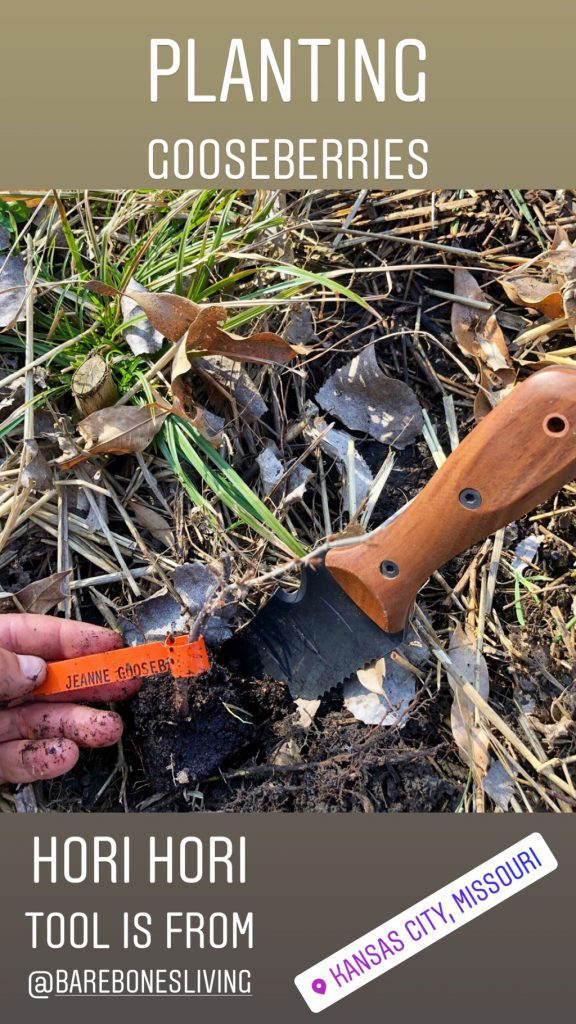
- Break up any large sticks and twigs. They will decompose much faster if they are in direct contact with the soil.
- Remove leaf cover from the soil and use as a mulch around the base of trees / bushes (cover the sticks). Chop it up a bit with the mower if the leaves are still crispy. They key here is to “leave the leaves” as long as possible, because many beneficial insects overwinter there, and never bag and remove leaves from your property.
- Plant alley crops between rows and plantings. Use a blend of red clover, white dutch, yellow closer, and crimson clover. At the end of the month, you can also plant chicory, radish, winter wheat, and turnip as a cover crop.
- Plant living mulches around the base of the trees (Bocking 14 comfrey root, berries, herb roots, etc.).
- Last chance to prune stone fruit and apple trees (before buds open)!
- Spray your spring foliar spray on every perennial in the food forest! Get our recipe here.
- Add fresh mulch to trees and shrubs (up to 5″ thick). Remember to always keep the mulch away from the trunks of the trees.
- Order bare root fruit trees and berry bushes. I have really liked the ones from FoodForestNursery.com and I have use their plants from Michigan all the way down to Florida.
In the Shed
- Sharpen mower blades and all cutting tools.
- Oil any metal that rusted over the winter. Remove tarnish with steel wool. Ax heads should be treated with bees wax or mineral oil.
- Check for broken pots from winter cold.
- Set a few extra mouse traps in the shed, greenhouse, and garage.
- Start up the mower, weed whipper, and other tools for the first time. If you have difficulty starting them, you can always use a bit of Sea Foam to get things moving. Use two ounces per gallon of gas. It will work wonders!
Poultry and Livestock
- Remove winter bedding, if you used the deep bedding method.
- Deep clean…deep clean…deep clean! We use Shaklee’s Basic H, because it’s organic and will also take care of mites, lice, etc.
- Poultry feed adjustments: Lower fat content (corn) and increase protein sources. If you are doing a mealworm farm, it’s a great time to give the girls an extra boost!
- Chickens: Feed extra omega-3’s. Get some feeder fish (minnows) from a local pet store and put them in a shallow pan. Watch your chooks go nuts for them!
- Water for all livestock and poultry: Rotate an additive in their water each week. I recommend adding “something” each time I fill the water. Sometimes it’s honey, garlic, or ACV… or even colloidal silver, Italian herbs, or moringa powder. We add these in their water once per week to give them an extra immune boost before the springtime. I also add a product for livestock by SCD Probiotics based out of KCMO.
Around the House
- Clean out the gutters from any winter debris.
- Remove winter window treatments and wash windows (inside and out).
- Power-wash the sides of the house, cement, and garage doors. We use Basic H2 for this as well, because it organically takes care of mold and mildew easily.
- Oil doors and hinges (interior and exterior).
- Prune trees around the yard before leaf buds begin to open.
- Get hoses ready to bring outside.
In the Perennial Flower Beds
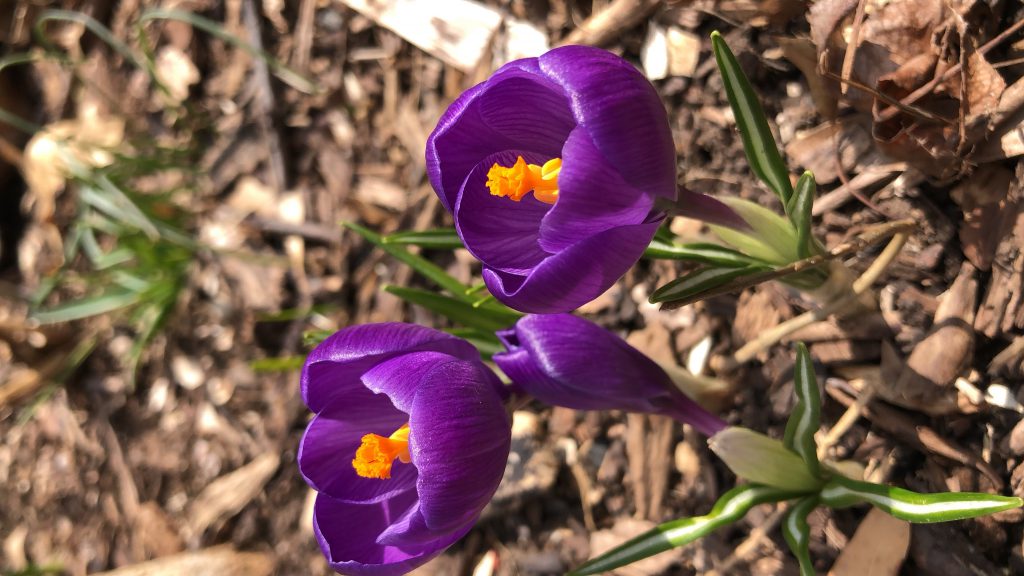
- Finish cutting back dead growth from last year. Do this as LATE as possible, because many insects over winter here. So, don’t clean up too soon.
- Trim back winter ferns and greens (holly, lenten roses, etc.)
- Remove leaves or debris from the top of bulb areas, leaving only compost or wood chips. The debris should be composted and added back to the beds later.
- Start planning mulch and compost deliveries. Look for sales or companies to bring it to you in bulk.
- Plant cold season annual flowers at this time as well. Snap dragons, violas, pansies, and calendulas do great this time of year.
- Spring sow any native wildflowers. One of my favorite Midwest companies for this is Prairie Moon Nursery (online), because they do seed mixes geared toward your specific sun exposure and soil type.
- IMPORTANT TIP: Never use mulch that has been colored or dyed (red or black). Let’s just use our heads on why that’s a bad idea.
Ideas for Kids and Family Activities
- Feed native wild birds before nesting season starts in order to encourage them to live in your area. They are fantastic bug control and leave behind little bits of birdie poo.
- Hang wild bird houses and bat houses before nesting season begins.
- Set out orange halves and grape jelly to attract early migrating orioles.
If this content was helpful to you, please help inspire other gardeners by sharing the link on social media or with your favorite gardening group.

What’s Included in Our Mentorship Membership
-
- On-going permaculture / property mentorship
-
- 1st Week of the Month LIVE Q&A
-
- 2nd Week of the Month Practical Permaculture PDF
-
- 3rd Week of the Month Permaculture Class
-
- 4th Week of the Month Mini-Classes
-
- Behind-the-scenes content
-
- Digital downloads
-
- Exclusive content
-
- Earlybird ticket pricing for in-person events
-
- Early access to all events
-
- Live event VIP
-
- Live Q&As
-
- Livestreams
-
- Video tutorials & lessons
-
- Private community
-
- Exclusive voting power
-
- Quarterly Online Classes – EXCLUSIVE
-
- Monthly Practical Permaculture PDF
NOTE: Membership offerings vary depending on the level of patron support.