

September Gardening To-Do List for Zones 3-8

September Garden Calendar

The last days of summer have arrived…

Summer is coming to a close and the evenings are just starting to have the smell of fall in the air.  This week, when talking with my family in Michigan, they said the maples leaves are starting to change already.  Coffee shops have started selling the pumpkin spice lattes again and gnomes and fall candles are on the end-caps of every home goods store.  Even though it’s not officially fall just yet, many of us are ready for fall campfires, autumn hikes, and the harvest season.  In the garden, many regions are still in peak production and harvest time.  So, needless to say, there are plenty of things to keep us all busy in the garden and around the homestead.

Please note, this specific list is catered to those living in USDA Zones 3-8, so if you are looking for Zones 9-11 – click here.  

Without further adieu, here is your September Gardening To-Do List!

September Gardening To-Do List

In the Garden

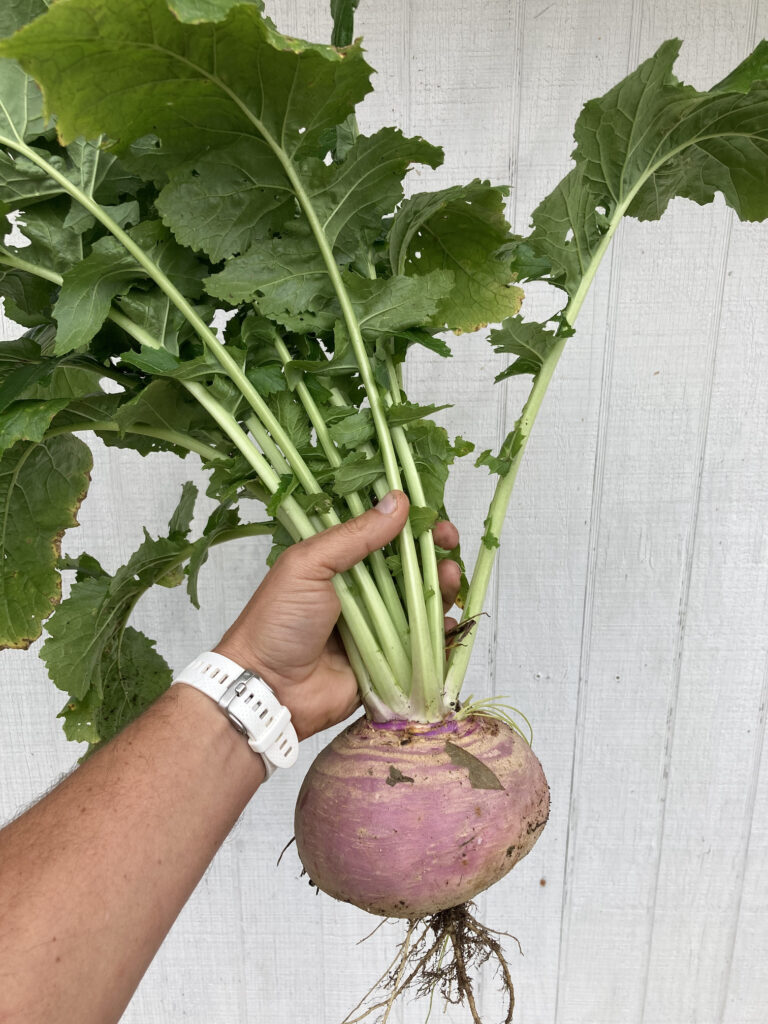
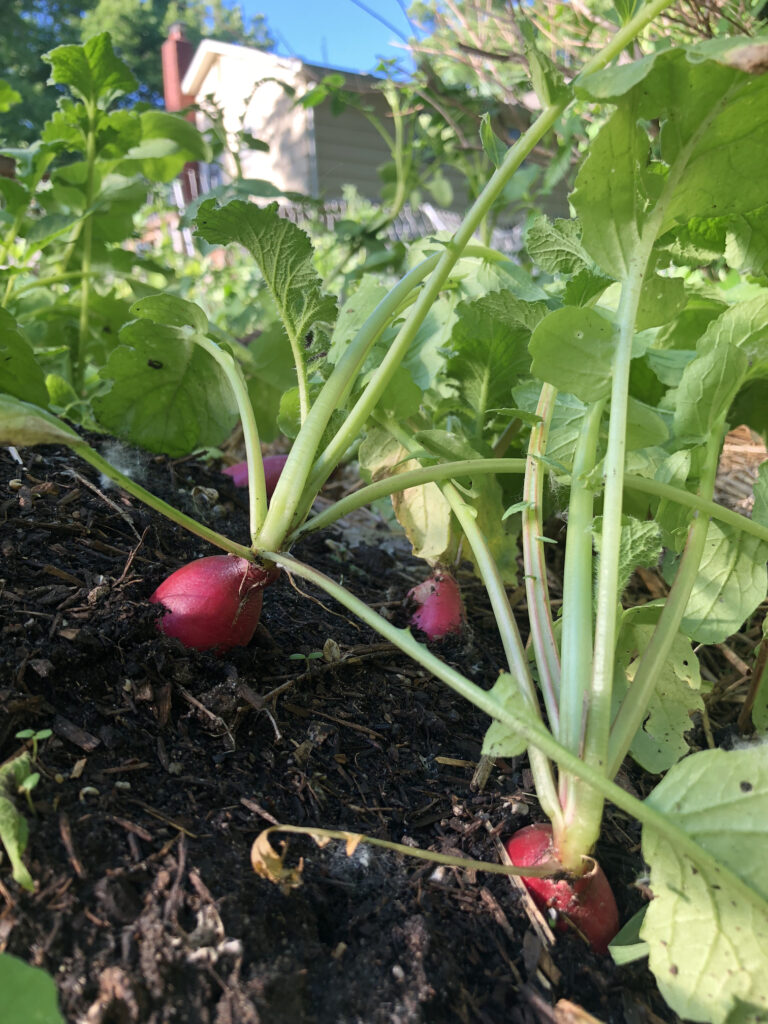
  • Things to plant by seed:  beets, carrots, radishes, and turnips. 
  • Garlic:  Order / purchase garlic for next year.  Start planting garlic cloves at the end of this month (or when cooler nights begin).
  • Pumpkins:  Begin to cut them and bring them indoors as soon as they are fully orange.   If you are a seed saver, be sure to collect seeds from the best and most robust plants of the season.
  • Fall greens:  In order to stagger your harvest times later in the fall, consider planting smaller amounts of fall greens (salad mixes, kale, etc.) every other week.  The same can be done with beets and radishes.
  • Brassicas:   Plant broccoli, cabbage, and cauliflower by seed or transplants.  Keep them well-watered (1″ per week) as they get established and mulch with straw around the base to cover the soil and prevent water evaporation.
  • Tomatoes:  It’s important this month to start removing the smaller tomatoes in order to allow the medium and larger ones to ripen before the frost.  
  • Harvest:  tomatoes, eggplants, peppers, and other night shades.  
  • Mulch:  Keep bare soil covered completely to prevent water evaporation and protect microorganisms.  Add a little more compost and wood chips around fruit trees and berry bushes.  Add another layer of straw around garden veggies.   Always collect your yard waste (leaves and grass) to apply to garden beds!
sunchokes

Jerusalem artichokes / Sunchokes are beginning to bloom! The leaves can also be used as forage for cattle, horses, goats, and (chopped) for chickens.  Alternatively, you can chop-and-drop them for biomass around the base of fruit trees.  Roots can be left in the ground or harvested after the first frost.

In the Greenhouse

  • Start organizing things now, before it gets cold. If you are planting in the ground in your hoop house or poly-tunnel, be sure to start applying lots of organic matter (like straw) in order to build a nice biomass before going into the winter months.
  • Check mouse traps regularly, because animals will start looking for their fall homes soon.
  • Watch your temperatures closely! Open windows in the greenhouses as needed.
  • Bring tropical plants in the greenhouse if it gets below 50 degrees at night. Start washing them off and preparing them for the winter relocation.

In the Food Forest

  • Harvest: apples, pears, fall berries, and any remaining stone fruit. Goji berries and raspberries are in their peak production, so be sure to harvest now and start preserving for the cooler months.
  • Mulch: Apply mulch / wood-chips around the base of fruit trees. Keep the wood chips away from the base of the tree, because if they touch the trunk it can cause rot or bacterial issues. Wood chips will encourage mycorrhizal activity and strengthen the root system.
  • Herbs around fruit trees:  Finish harvesting herbs to dry and make tinctures because they are at their peak right now! Start hanging them around the house and preparing to store them for the winter months. TIP: Use those little “silica packets” in the bottom of your glass jars to absorb moisture while in storage.
  • Fallen fruit: Remember to harvest fruit as they ripen and remove those that fall to the ground. Fallen fruit attract pests, so feed them to chickens or add to the compost pile immediately. Don’t let them sit.
  • Harvest elderberries:  If you are making elderberry tinctures, teas, or wine – now is your time to harvest. Whatever you do not harvest, the birds will take care of for you. It is also a great time to harvest elderberry canes for cuttings and propagation.
  • Plant late summer ground covers in any “bare spots” around the forest. Here are some of of our favorites – CLICK HERE.
  • Wait to plant new fruit trees and berry bushes until the end of the month (or early next month), when the heat dials down a few notches.
florida pasture maintenance for september

In the Shed

  • Start getting winter wood stove supplies ready to prepare for the coming winter. Check woodpiles to ensure they are stacked properly.
  • Give power tools a quick check after heavy summer use,  (oil, air filters, and clean off exteriors).
  • Check mouse traps and keep animal feed in sealed containers. Give the feed shed a nice cleaning to prevent critters from finding their “fall homes” in areas you don’t want them.
  • Give cutting tools a good cleaning (using rubbing alcohol) and oil afterwards to prevent rust.

In the Chicken Coop

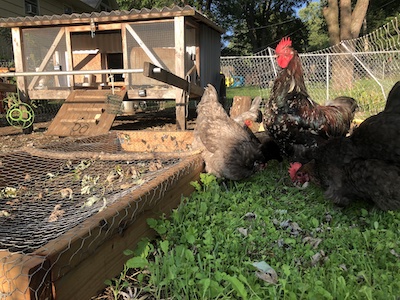
  • Chickens:  Spring chickens have finally started laying eggs! They should be given plenty of fresh greens and can now have supplemental calcium. For calcium supplements, you can use crushed oyster shells or aragonite.
  • Quail:  It’s time to start helping the quail get ready for winter months. Extra protein, bug treats, dried grass heads, etc. are always a boost to their health. TIP: Dry flower petals and grasses to add to their nesting areas to help simulate their native habitats in the prairie.
  • Plant fall foraging areas using a native wildlife seed mix.
chickens and mealworms

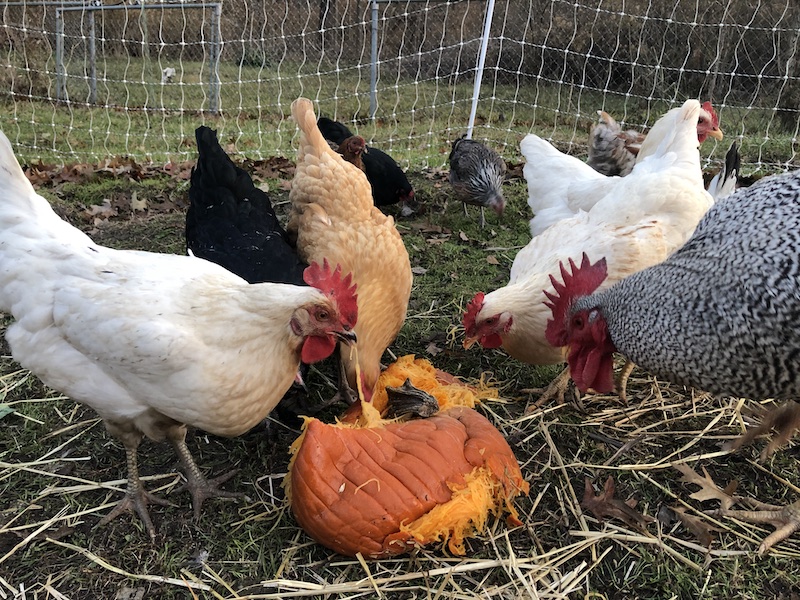
Offer mealworms, beetles, and other insects as a healthy protein treat to help boost the health of your flock as they go into the fall season. This helps prepare their bodies for fall molting (that is right around the corner).

Around the House

  • Plant fall grass or ground covers. One of our favorite is a grass blend (that doesn’t need to be mowed) called ECOgrass by Prairie Moon Nursery. Check them out! Their wildflower mixes are also pretty incredible and can be fall planted as well.
  • Open up the windows on cooler nights to help air out the house and let in fresh air.
  • Replace your HVAC filters
  • Clean outdoor windows and doors (I use Basic H for this)
  • Apply UV protectant to your recreational vehicles (boats, car interiors, RV’s, decals, etc. Put moisture collecting crystals (like DampRid) in the cupboards of RV’s to prevent mold in storage.
  • Spray tire shine and protectant on vehicle and trailer tires to prevent sun damage
  • Fertilize house plants at regular strength until the end of the month, then taper off in October. Do not fertilize house plants in the winter months… allow them to go “dormant” as well.
garden ideas

In the Perennial Flower Beds

  • Dead-heading: Cut back spent flowers in order to get a final bloom. Spent flower heads can be fed to chickens or composted.
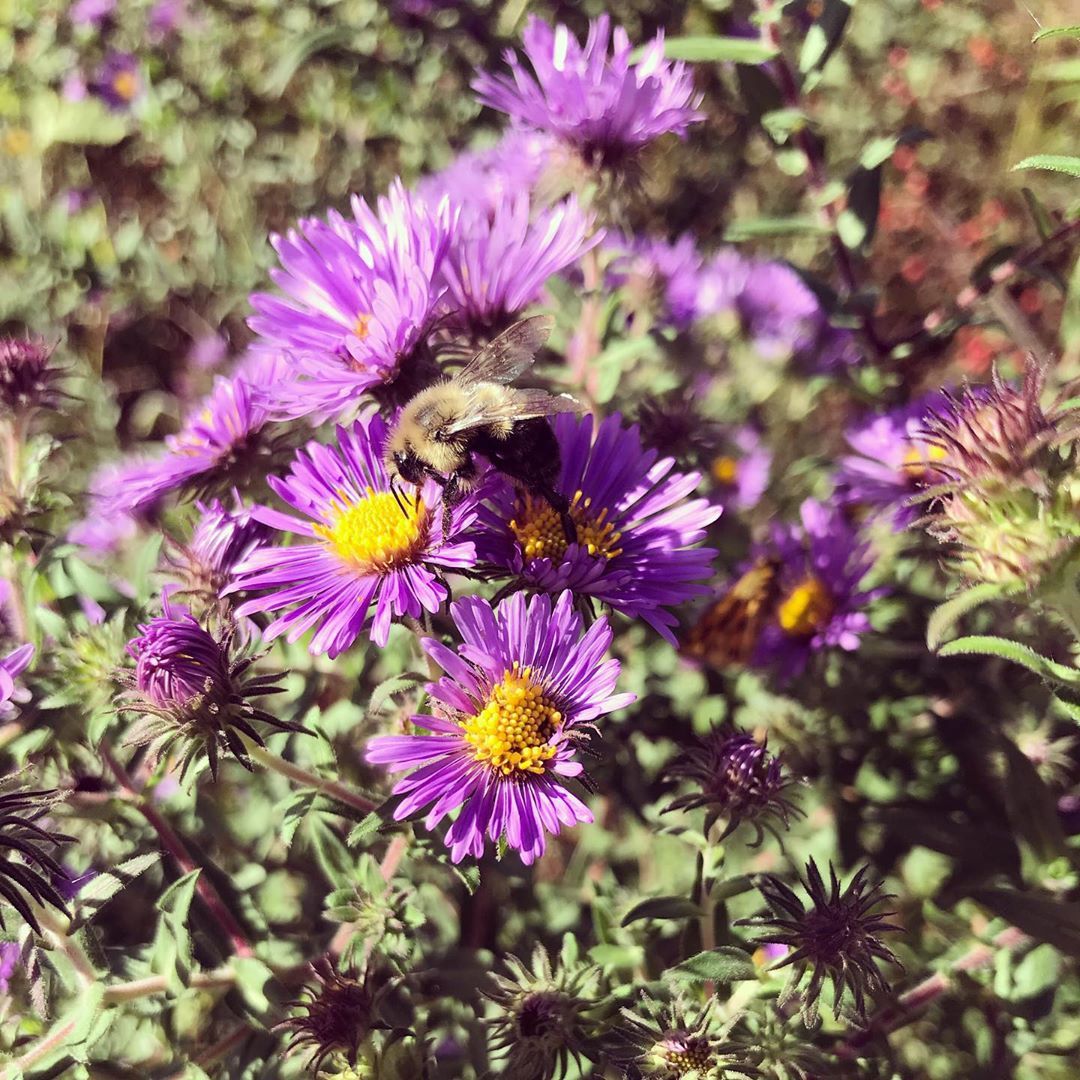
  • Plant fall flowers like chrysanthemums for autumn color. They can actually be grown in the ground as well and will come back every year in most regions.
  • Add extra wood chips to areas that are in full sun in order to protect soil health and microbial activity
  • Bring cut flowers indoors and share with neighbors, especially those who are shut-ins or elderly. Save seeds from spent blooms for next year.

Family & Kids

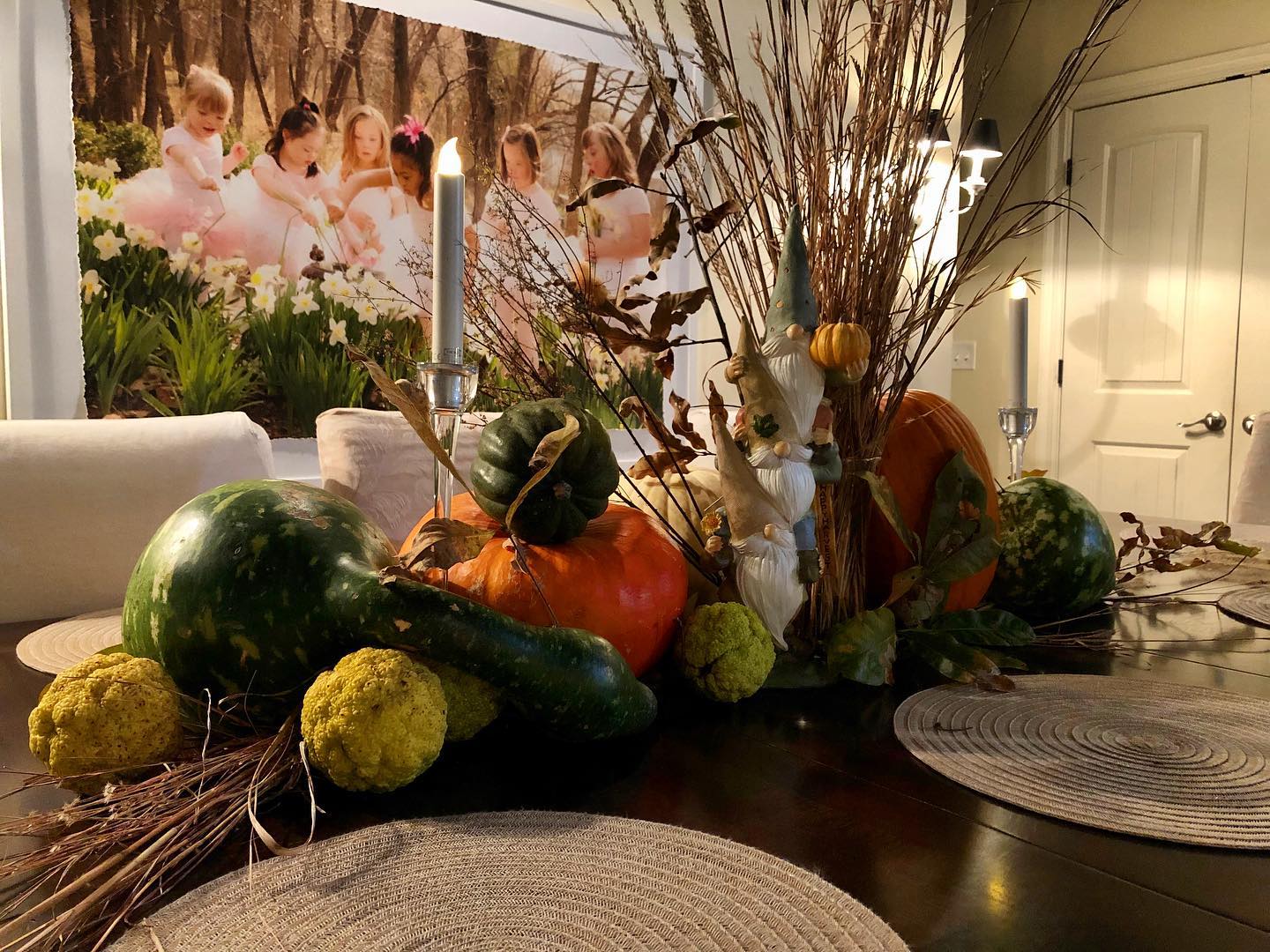
  • Make gnome or fairy houses with kids as a late summer / early fall project.
  • Get plenty of time in the water (lakes, streams, ponds) because it’s going to start cooling off soon.
  • Start scoping out some local apple orchards, pumpkin patches, and corner mazes.

Enjoy the final days of summer and we’ll see you in the Garden!


Click here to receive this list in your inbox every month

August Gardening To-Do List fo Zones 9-11

August gardening to do list

What to do on your property in August

It’s the peak of the summer heat and most of our annual veggie gardens are still “asleep” for the summer (with the exception of a few beans, okra, and summer pumpkins).  Most of us have legumes (like Sunn Hemp) planted as cover crops, and they will be ready to chop and turn into the soil in the middle of the month.   

Right now, our food forests are in full swing and popping with abundance!  Mango season is wrapping up soon (for many), but Avocado season is just getting started.   Not to mention, many other fruit trees and berry bushes are in peak season this month (tropical cherries, Pitangatuba, Acerola, Peanut butter fruit, Carambola, Pineapples, Bananas, etc).   

The main thing to keep in mind this month is to keep an eye out for fungal issues, which can happen overnight in warmer climates.  And remember, July and August are (and should be) a bit slower, so be sure to take it easy and stay hydrated!  This is like “winter” for those in the North.  haha!

Before you continue, remember, this list is tailored for warm temperate and subtropical climate growing zones, but if you are looking for cold temperate lists…  Click here for USDA Zones 3-8.

In the Garden

  • Things to plant by seed:  squash, zucchini, pumpkins, corn, beans, eggplant, watermelon, tomatoes, and more pumpkins.  Many beans can also go in now (direct sown into soil):  Jack beans, pigeon pea, lima, butterfly pea, yard long beans, etc.)
  • Harvest:  Okra, tropical spinaches (longevity, Okinawa, Brazilian, and Suriname).   You can also use leaves from cranberry hibiscus, Chief Kobu’s South Sea Salad, and Auntie Lilli’s South Sea hibiscus for salads. Butterfly pea flowers are in full bloom and can be used in salads or tea.  Butterfly pea flowers can be picked and dried now for winter enjoyment. 
  • Summer Tea:  Jamaican sorrel (Roselle) calyxes can be used for tea (later in the month).  You can also use leaves from olives, Moringa, Spanish needle, Cranberry Hibiscus, Lemongrass, and Lemon Balm for refreshing summer teas and tisanes.  Enjoy these teas over ice and add organic raw honey from a local bee keeper.
  • Mulch:  Keep bare soil covered completely to prevent water evaporation and protect microorganisms.  Add a little more compost and wood chips around fruit trees and berry bushes.  Add another layer of straw around garden veggies. 
  • Sunn Hemp:  This is the month to chop and drop your Sunn hemp.  It can be buried for faster decomposition or left on top of the soil to break down.  Cattle and horses can eat it BEFORE the flowers bloom, but it should not be fed to livestock once flowering has started.

It’s time to start making tinctures and drying herbs.

In the Greenhouse

  • Start taking cuttings: elderberry, Sugarcane, Barbados cherry, Fig, Mulberry, etc.
  • Plant trees / shrubs by seed: Jaboticaba, miracle fruit, loquat, mimosa, moringa, mango, etc.
  • Clean and sterilize the plastic pots used this winter / spring
  • Set mouse traps to control critters
  • Hang fly traps to control aphids, flies, and other pests

In the Food Forest

  • Harvest: elderberry, Dwarf Ever-bearing mulberry, Muscadine and Southern Home Grapes, and Olives. Finish harvesting mangos and early avocados.  Keep harvesting Starfruit, Strawberry tree, and figs too!
  • Mulch: Apply mulch / wood-chips around the base of fruit trees. Keep the wood chips away from the base of the tree, because if they touch the trunk it can cause rot or bacterial issues. Wood chips will encourage mycorrhizal activity and strengthen the root system.
  • Avocados: Keep mulching and adding light compost around the base of avocados. Chop-and-Drop things like moringa, pigeon pea, and Mexican sunflower to create biomass at the base.
  • Mangoes: Prune (via tipping the terminal branches) a few weeks after they are finished fruiting. This will increase your chances of fruit set next year.
  • Chop & Drop: Time to harvest a round of moringa, legumes, and pigeon pea for chop-and-drop. Doing this now will ensure another harvest before winter months.
  • Herbs around fruit trees:  Start harvesting herbs to dry and make tinctures.
  • Harvest elderberries:  If you are making elderberry tinctures, teas, or wine – now is your time to harvest. Whatever you do not harvest, the birds will take care of for you. It is also a great time to harvest elderberry canes for cuttings and propagation.
  • Watch for fungal issues on leaves and apply organic neem spray as needed. This time of year with heat and humidity, fungal issues can pop-up overnight. Trees that are the most susceptible: sugar apple, sour sop, June plum, kratom, ginger, and coffee.
  • Continue planting fruit trees and berry bushes during the rainy season. For a tutorial on how to plant, click here…
  • PLANT CLUMPING BAMBOO!! Rainy season is a great time to plant these as forage, fodder, barriers, hedges, statement pieces, or medicinal / culinary purposes. Use LOT of wood-chip mulch at their base, because they love fungal dominated soil.
  • Install a banana circle
  • Hold off on fertilizing until next month. Use this month to allow the plants to grow during the last of the rainy season.
  • Pastures: Plant wildflower seeds (in small batches) to make use of the last of the rainy season. Plant Timothy grass in pastures for cattle and livestock. Use about 4lbs per acre if you are mixing into an established pasture. Timothy grass is high fiber and has great energy content (lower protein). It is drought tolerant and has a lower moisture content.

Reminder: Elderberry must be cooked before eating.

In the Shed

  • Give power tools a quick check (oil, air filters, and clean off exteriors).
  • Check mouse traps and keep animal feed in sealed containers.
  • Give cutting tools a good cleaning (using rubbing alcohol) and oil afterwards to prevent rust.
  • Sweep and clean out cluttered areas. Spend time working in the shade.

August Gardening To-Do List Continued…

In the Chicken Coop

  • Chickens:  Some of the early spring chickens will start laying soon. Once the first egg has appeared, switch chickens over to a layer feed and/or provide supplemental calcium.
  • Harvest comfrey and feed to chickens, horses, goats, and cattle.
  • Quail:  Mix apple cider vinegar and honey with their water once a week. Pick fresh flowers and grass seed heads to put inside their coop and nesting area. This is a great time to provide supplemental protein using meal worms and small crickets.
  • Deworm (if you missed it in June / July): Use 1 tablespoon of Basic H in a 5 gallon waterer (1tsp per gal) for chickens. Add 1.5 cups to a 100gal waterer basin for cattle and horses. Available in bulk (much cheeper for farm use) This should be their only water source for two days.
  • Coop clean out: On a sunny day with a breeze, clean out the coop in the morning. Use Basic H organic cleaner and spray everything out. Leave the coop open all day to dry it out with good airflow. Clean out all waterers and feeders using a bleach solution.
  • Add wood ash to the dustbath to help prevent and treat lice and mites.
  • CLICK HERE for extra tips on keeping chickens cool during hot summer months.
Chickens eating a ground cover of wheatgrass, radish, and clover.

Around the House

  • Keep South and West facing shades closed during the day time in order to block out the hot sun.
  • Open up the windows on cooler nights to help air out the house and let in fresh air.
  • Replace your HVAC filters
  • Check batteries in smoke alarms and carbon monoxide detectors
  • Wash windows (inside and out). Use a product like “Invisible Glass” to avoid streaks.
  • Apply UV protectant to your recreational vehicles (boats, car interiors, RV’s, decals, etc.
  • Spray tire shine and protectant on vehicle and trailer tires to prevent sun damage
  • Fertilize house plants:  give houseplants a good fertilization and shower to clean off leaves.  If doing this outside, be sure to take them to a full shade area.  
Add kid-friendly elements, hobbit holes, and fairies to the perennial flower bed.

In the Perennial Flower Beds

  • Dead-heading: Cut back spent flowers in order to get a second bloom. Spent flower heads can be fed to chickens or composted.
  • Cut back any spent annual flowers and start planting new cosmos, zinnias, etc. Plant a little at a time to prolong your blooming season.
  • Take cuttings of cassava, Mexican Sunflower, chaya, etc.
  • Add extra wood chips to areas that are in full sun in order to protect soil health and microbial activity
  • Bring cut flowers indoors and share with neighbors, especially those who are shut-ins or elderly
  • Annuals: If you want annual cut flowers (cosmos, marigold, zinnia, sunflower, celosa, etc for Thanksgiving, starting planting a few seeds per week over the next month. If you do this, then you’ll have lots of fresh flowers this fall.
Kids picking flowers at the Blue River Forest Experience in Overland Park, KS. This organization hosts after school nature activities and summer camps.

Kids & Family Activities

  • Backyard Camping:  If you live in a safe neighborhood, set up a tent outdoors so the kids can campout in the back yard.   Think about activities from your childhood… s’mores, comic books or paper back stories, flashlights, sparklers (with supervision of course), campfire pie makers, etc.   
  • Sprinkler Games:  It’s amazing what kids will do if we just provide a sprinkler, some new blow up toys, and a few buckets for water.
  • Fort building:   Help kids build a ground fort or play area with sticks, logs, bamboo, branches, etc.    Provide them with string for tying things together, a few zip ties, and some old blankets for the ground inside. 

We’ll see you in the garden!  Thanks for reading and sharing this link in your favorite online groups.

To have the list delivered to your inbox every month, sign up using the button below. 


August Gardening To-Do List for Zones 3-8

August gardening to do list

What to do on your Property in August – Cold Temperate Climates

It’s the peak of the summer heat and this is the time of year that our gardens (and we) are feeling it the most.  However, there are still plenty of things to be doing around the property this month.  To help keep organized, we hope this August Gardening To-Do List will be helpful to you and your homesteading friends.

By this, we are harvesting tomatoes, peppers, and all sorts of treats from the garden.  The food forest is beginning to pop and many folks are checking plums, pears, and apples every day.   Chickens and ducks are beginning to ebb and flow a bit on their laying cycles, so it is important to keep up with an adequate supply of protein and fresh greens.   

So, wherever you are gardening from this month, be sure to stay organized, hydrated, and take time to rest.  Make sure your gardening experience remains a time of respite and rejuvenation by taking time for YOU and not just the task list.

This list is tailored for cold temperate climate growing zones, but if you are looking for warm temperate or sub-tropical growing zone lists CLICK HERE.

In the Garden

  • Things to plant by seed:  beets, carrots, radishes, and turnips.
  • Fall greens:  In order to stagger your harvest times later in the fall, consider planting smaller amounts of fall greens (salad mixes, kale, etc.) every other week this month.  The same can be done with beets and radishes.
  • Brassicas:   Plant broccoli, cabbage, and cauliflower by seed or transplants for fall harvesting.  Keep them well-watered (1″ per week) as they get established and mulch with straw around the base to cover the soil and prevent water evaporation.
  • Harvest:  tomatoes, eggplants, peppers, and other night shades.  Prop up plants as needed to provide support.  
  • Mulch:  Keep bare soil covered completely to prevent water evaporation and protect microorganisms.  Add a little more compost and wood chips around fruit trees and berry bushes.  Add another layer of straw (or grass clippings) around garden veggies.  
  • Compost application:  Add fresh organic compost to strawberry patch (thin them while you apply compost).  You can also add compost to bramble canes (blackberries and raspberries) to improve next years harvest.

It’s time to start making tinctures and drying herbs.

In the Greenhouse

  • We are finished with the “greenhouse” season, but if you have a shade cloth, you can actually open up all the windows now and put the shade cloth over the top. This will allow you to start micro-greens and other later season veggie starts. If using a shade cloth, use the opened greenhouse for your indoor tropical plants to give them a season outdoors. Just be sure to pay attention to your watering!
  • Clean and sterilize the plastic pots used this winter / spring
  • Set mouse traps to control critters
  • Hang fly traps to control aphids, flies, and other pests

In the Food Forest

  • Harvest: berries like goji, elderberry, blackberry, raspberry, haskap, gooseberry, and blueberry.
  • Mulch: Apply mulch / wood-chips around the base of fruit trees. Keep the wood chips away from the base of the tree, because if they touch the trunk it can cause rot or bacterial issues. Wood chips will encourage mycorrhizal activity and strengthen the root system.
  • Herbs around fruit trees:  Start harvesting herbs to dry and make tinctures, harvest fruit as they are ripe and remove those that fall to the ground. Fallen fruit calls in the pests… So feed to chickens or add to the compost pile.
  • Harvest elderberries:  If you are making elderberry tinctures, teas, or wine – now is your time to harvest. Whatever you do not harvest, the birds will take care of for you. It is also a great time to harvest elderberry canes for cuttings and propagation.
  • Watch for fungal issues on leaves and apply organic neem spray as needed.
  • Plant late summer ground covers in any “bare spots” around the forest. Consider things like daikon radish or crimson clover. Water the first 10-12 days until established.
  • Wait to plant new fruit trees and berry bushes until next month, when the heat dials down a few notches.

Reminder: Elderberry must be cooked before eating.

In the Shed

  • After heavy spring and summer use, give power tools a quick check (oil, air filters, and clean off exteriors).  For bonus points, add some Sea Foam to clean things out internally a bit.
  • Check mouse traps and keep animal feed in sealed containers.
  • Give cutting tools a good cleaning (using rubbing alcohol) and oil afterwards to prevent rust.

August Gardening To-Do List Continued…

Livestock and Poultry

  • Chickens:  Some of the early spring chickens will start laying soon. Once the first egg has appeared, switch chickens over to a layer feed and/or provide supplemental calcium.
  • Harvest comfrey and feed to chickens, horses, goats, and cattle.
  • Quail:  Mix apple cider vinegar and honey with their water once a week. Pick fresh flowers and grass seed heads to put inside their coop and nesting area. This is a great time to provide supplemental protein using meal worms and small crickets.
  • Deworm (if you missed June / July): Use 1 tablespoon of Basic H in a 5 gallon waterer (1tsp per gal) for chickens (NOTE: Use the original formula of Basic H, which comes in a 5 gallon bucket OR 30 gallon drum). Add 1.5 cups to a 100gal waterer basin for cattle and horses. Available in bulk (much cheaper for farm use) This should be their only water source for two days.
  • Coop clean out: On a sunny day with a breeze, clean out the coop in the morning. Use Basic H organic cleaner and spray everything out. Leave the coop open all day to dry it out with good airflow. Clean out all waterers and feeders using a bleach solution.
  • Add wood ash to the dust bath to help prevent and treat lice and mites.
  • CLICK HERE for extra tips on keeping chickens cool during hot summer months.
Chickens eating a ground cover of wheatgrass, radish, and clover.

Around the House

  • Keep South and West facing shades closed during the day time in order to block out the hot sun.
  • Open up the windows on cooler nights to help air out the house and let in fresh air.
  • Replace your HVAC filters
  • Check batteries in smoke alarms and carbon monoxide detectors
  • Wash windows (inside and out). Use a product like “Invisible Glass” to avoid streaks.  
  • Clean outdoor windows and doors (I use Basic H for this)
  • Apply UV protectant to your recreational vehicles (boats, car interiors, RV’s, decals, etc.
  • Spray tire shine and protectant on vehicle and trailer tires to prevent sun damage and cracking
  • Fertilize house plants and give them a full shower to rinse leaves.  If you do this outside, make sure it’s in a full shade area.
Add kid-friendly elements, hobbit holes, and fairies to the perennial flower bed.

In the Perennial Flower Beds

  • Dead-heading: Cut back spent flowers in order to get a second bloom. Spent flower heads can be fed to chickens or composted.  If they are dried, you can save seeds or spread them in the far corners of the property (or in ditches).
  • Plant seeds of biennials like larkspur, holly hocks, and poppies for next year
  • Add extra wood chips to areas that are in full sun in order to protect soil health and microbial activity
  • Bring cut flowers indoors and share with neighbors, especially those who are shut-ins or elderly
august gardening to-do list, august garden calendar
Kids picking flowers at the Blue River Forest Experience in Overland Park, KS. This organization hosts after school nature activities and summer camps.

Kids & Family Activities

  • Backyard Camping:  If you live in a safe neighborhood, set up a tent outdoors so the kids can campout in the back yard.   Think about activities from your childhood… s’mores, comic books or paper back stories, flashlights, sparklers (with supervision of course), campfire pie makers, etc.   
  • Sprinkler Games:  It’s amazing what kids will do if we just provide a sprinkler, some new blow up toys, and a few buckets for water.
  • Fort building:   Help kids build a ground fort or play area with sticks, logs, bamboo, branches, etc.    Provide them with string for tying things together, a few zip ties, and some old blankets for the ground inside.   

We hope this list was helpful for you! Enjoy some much needed time outdoors and we’ll see you in the garden.

Get notified every month when this is published…

Help us out by sharing this article in your favorite garden and homesteading groups online.  

July Gardening To-Do List for USDA Zones 9-11

The summer fun is in full swing and we are likely all enjoying the opportunity for daily harvesting. There is such joy and satisfaction in being able to walk into your backyard and grab a snack on the go. The flavor of a sun-ripened sweet tomato right off the vine and a fresh piece of fruit from one of the trees. This is the taste of summer! For me, I remember being in the garden with my mom when I was a child, and she would always hand my brother and I some fresh green beans. There is something about fresh beans (still warm from the sunshine) that will always remind me of my childhood. I was fortunate as a child to have a parents who enjoyed the outdoors. My brother and I grew up climbing trees, foraging in the woods, hunting and fishing, and building forts near the berry patches. As the years have gone by, I have found myself looking back on those years as critical times of the establishment of wonder and imagination in my life. There is something about the garden and food forest that invites us inward and beckons us to be a part of it. To not just eat – but see, hear, experience and dream a little. The garden, for me anyway, is a place that I feel safe in, provided for, and celebrated.

This month, as you go about your July Gardening To-Do List, take time to imagine and appreciate. Take space for yourself and create a safe space to invite others. The food forest can be both a flower for one and a garden for all.

NOTE: This list is geared toward USDA Growing Zones 9-11. If you are looking for the July Gardening List for Zones 3-8, click here.

July Gardening To-Do List
Yellow Star Cherry (Aka Pitangatuba) tastes like a citrus pineapple and is very soft and juicy! They often fruit in the first year from planting, so it’s a great source of instant gratification for a tropical food forest.

July Garden Calendar for USDA Zones 9-11

In the Garden & Greenhouse

  • Building soil in the vegetable garden: For the most part in zones 9-11, our annual vegetable season has come or is coming to an end. It’s the time when we shift from annual production toward production in the food forest. Som for annual beds, this is a great time for a cover crop (like Sunn Hemp, Cow Peas, etc.) or to cover it with straw and let it compost in place.
  • To plant: Cassava cuttings, sweet potatoes, okra, chaya, tropical spinaches (like Longevity, Okinawa, Brazilian, Suriname, or Jewels of Opar).
  • To harvest: Tomatoes, peppers, eggplants, okra…and as many tropical greens as you can! It’s also a great time of year to pick sweet potato leaves and saute them for supper. Add some salt, pepper, garlic, and cheese and tuck in!
  • Compost: Turn pile 1-2x per week.
    • NOTE: For most people an outdoor compost pile doesn’t really generate a lot. However, using a worm bin (like the ones from Uncle Jim’s Worm Farm), can provide worm tea which creates way more bang for your buck. For most families, composting worms are going to give you a better result.
  • Open the Greenhouse: This time of year the green house often needs to be open 24/7 so it does’t become an oven. You can also cover it with a shade cloth to help stop the heat. Generally speaking, most plants are outside at this point and enjoying the summer rains and sunshine. This makes it a great time of year for you to clean it out and get ready for fall. by mid-August, you’ll be ready to use it as a shade house to start seeds for the fall gardening season.
Foxglove in bloom

In the Food Forest

  • Apply Summer Compost or soil amendments
    • Compost (mushroom based for food forest and manure based for veggie garden). This is literally the single best thing you can add in the food forest this month!
    • Recommended Amendments: Azomite, Epsom salts, chelated iron, hummus, chop and drop from nitrogen fixing plants.
    • Probiotics spray every other week. I use BioAg for this.
    • FREE 11-minute talk on probiotics for the yard, click here.
  • Plant new fruit trees and berry bushes. Here is a step-by-step process (with diagram) of how to plant a fruit tree or berry bush. Some of the info may surprise you. Remember, trees often take 3-5 years to reach a significant level of production. The best time to plant a fruit tree was 10 years ago, but the second best time is today. This is an ideal month to plant Avocado, mango, sugar apple, clumping bamboo, yellow star cherry, cherry of the rio grande, etc. It’s NOT ideal for stone fruit (plum, peach, nectarines), but can still be done if you prune them before planting.
  • Remove suckers from the base of fruit trees. These are likely a root stock coming back, and will essentially “suck” the nutrients from the top of the tree, so keep them cut / pinched off.
  • Chop and Drop!!! This is the prime time to chop and drop those soil building plants, because they still have the rest of the summer to grow again and provide a few more cycles. Remember, in order to truly get the nitrogen fixing and soil building benefits – you have to chop them down (and better yet to bury them under wood chips).
  • Banana TIP: If you are growing bananas in zones 8b and 9a (where frosts are likely in the winter), stop watering and fertilizing bananas that do not already have a flower. Wait until late winter to resume watering and feeding, as this will help you avoid having a partially formed rack that just gets killed in a frost. If the flower has already started, continue watering and feeding as usual. If you are in a generally frost free area – carry on as usual.
  • Get a plan and design This is a great month to plan and plant! The summer rains make food forest establishment easy. So, if you are interested in an in-person or virtual consultation, CLICK HERE.
New worm bin set up with some red wigglers. My favorite part about this system isn’t even the worm castings – it’s the worm tea that can be used weekly on plants!

In the Shed

  • Set mouse / rat traps. We have really liked these bucket traps from Amazon
  • Oil hand tools: Keep hand tools oiled and clean after every use. A cheep olive oil wipe down will work wonders to help prevent rust, but you can also use a gun or motor oil as well.
  • Use the Rainy Days: When you have occasional rainy days, consider taking an hour to clean and organize in your shed or garage. Make a “donate” pile to bring to a local community garden if you find you have a surplus that could find a new home.
Salvia in my mom’s summer garden. There are so many varieties and colors with this plant and it always gives summer visual interest to the butterfly garden.

Livestock

  • Water rotations: In nature, animals don’t drink out of the purified tap. Sometimes their water is from a rain puddle, but other times from a stream or pond. To help mimic this and give their immune system a boost, try doing something different every time you refill their water.
    • Apple Cider Vinegar: 1 tsp per gallon
    • Honey: 1 TBSP per gallon
    • BioIivestock Probiotic: Dilution rate on bottle depending on species
    • Herbs: Add fresh oregano, thyme, rosemary, etc to their water to make a “tea”
    • Rainwater
  • Deworming Cattle / Horses: 1-1.5 cups of Basic H per 100 gallon watering container OR 1TBSP per gallon for chickens, goats, lamb.
  • Keep Chickens Cool in Extreme Heat: click the link for some creative ideas to help keep chickens cool in the hot summer months.
  • Check herd health daily: My friend Fred always says, “A good farmer is ‘out-standing’ in his field. Literally.” As a general rule of thumb you should have eyes on every animals, every day. Some animals may need morning and evening check in times, but it’s important to be attentive, especially if any animals have recently given birth.
Comfrey (Bocking 14) can be planted on pasture edges or around fruit trees. It’s an excellent mineral mining crop and can be used as animal fodder and forage as well. It’s a suitable replacement for supplemental minerals and calcium for many farm animals.

In the Pasture

  • Plant: Not an ideal month for pasture planting… just let things grow and fill in.
  • Rotate Animals: Move animals as often as you can possibly manage. High intensity rotational grazing is optimal for soil and pasture health. If you are doing multiple animals: cows first, followed by sheep or goats, chickens last, and then give the pasture a break.
  • Pasture Edges: Plant support species on the pasture or food plot edges. Consider animal forage plants like Moringa and Mexican sunflower.

Around the House and Perennial Beds

  • Deadheading: Remove as many of the dead flowers as you can. This will promote more vigorous summer blooms. You may, however, want to let a few go to seed in order to save seeds for propagation next spring.
  • Fertilize flower beds: This time of year you can easily use bagged grass clippings in the annual beds to help fertilize and create mulch. If you are seeking to amend your soil, consider bone meal and azomite this time of year as your best options.
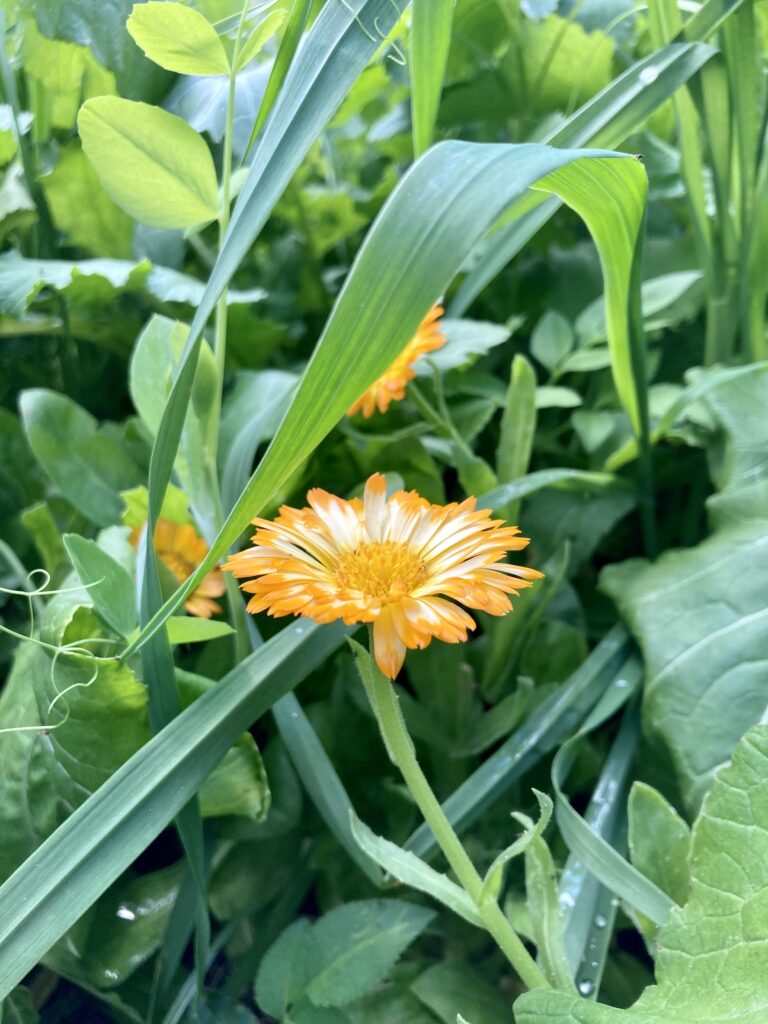
  • Annual Flowers: Plant some pops of color around the garden. Use as many native wildflowers and perennials as possible, because the vast majority of annuals do NOT provide nectar for bees and butterflies. However, using them sparingly can still give lasting bursts of color. Some annual flowers (nasturtiums, marigolds, calendula, etc.) are also edible and medicinal and can even be used as vegetable companion plants.
  • Air out the house: On a cool morning or early evening, consider opening up the windows to air out the house. This is also a great time to change your HVAC filters indoors from extended summer AC use.
  • Power-wash lawn furniture on hot summer day. When it’s too hot to be in the garden, get a power washer to clean off the porches, deck, patio, and the furniture. Many of them allow you to add a bit of soap (like Basic H) to the washer for added cleaning power.
Photo from a recent hike in the Daniel Boone National Forest in Beattyville, KY

Kids & Family Ideas

  • Visit a local hiking trail: Look up some hiking trails in your area and go out on a day adventure. Pack a lunch with you, bring extra water, and be sure to bring your camera and a foraging bag (if responsible foraging is permitted).
  • Wild Bird Feeding
    • Suet cakes for woodpeckers should be around the edges of the garden, because they will also help control caterpillars.
    • Safflower Seed: great for cardinals but also not a favorite of squirrels.
    • Water and birdbaths will help attract even more birds than the feeders themselves on hot summer days.
    • Hummingbird feeders: Never use dyed red nectar…this is completely unnecessary and not good for the birds. Also, remember that sugar water ferments quickly, so hummingbird feeders need to be changed every 3 or 4 days. If you cannot remember to change the nectar water, please take down your feeders because fermented water is a number one killer of hummingbirds.
  • Walking Sticks: Find and decorate walking sticks together. You can tie string around them and collect feathers, paint them, etc. Even as an adult, a good walking stick is a must when putting chickens up for the night.
  • Outdoor picnics: Plant at least one meal a week that is outside in nature. Maybe this week it’s grilling on the patio, but then next week might be a blanket in the grass with charcuterie boards. Perhaps sandwiches from your childhood while laying in a hammock, or a summer salad on the front porch as you wave at the neighbors passing by.

See you in the Garden

As always, thanks for taking time to join on the gardening and permaculture journey. Be sure to check out the continual flow of content available via our social media channels. Remember, PermacultureFX also does virtual consulting (using Facetime, zoom, satellite images, etc.). We’d love to help you get a plan for your property and help you create abundance and wonder.

If this article was helpful, consider sharing on social media (or with your garden groups) to help set others up to win on their property. Happy Summer – and I’ll see you in the garden!

– Kristofer Edler


farm consultant, permaculture, florida permaculture, permaculture designer

July Gardening To-Do List (USDA Zones 3-8)

The summer fun is in full swing and we are likely all enjoying the opportunity for daily harvesting. There is such joy and satisfaction in being able to walk into your backyard and grab a snack on the go. The flavor of a sun-ripened sweet tomato right off the vine, a little bit of sweet bell pepper, a few remaining peas, or a fresh piece of fruit from the tree. This is the taste of summer! For me, I remember being in the garden with my mom when I was a child, and she would always hand my brother and I some fresh green beans. There is something about fresh beans (still warm from the sunshine) that will always remind me of my childhood. I was fortunate as a child to have a parents who enjoyed the outdoors. My brother and I grew up climbing trees, foraging in the woods, hunting and fishing, and building forts near the berry patches. As the years have gone by, I have found myself looking back on those years as critical times of the establishment of wonder and imagination in my life. There is something about the garden and food forest that invites us inward and beckons us to be a part of it. To not just eat – but see, hear, experience and dream a little. The garden, for me anyway, is a place that I feel safe in, provided for, and celebrated.

This month, as you go about your July Garden Calendar and To-Do List, take time to imagine, appreciate, and remember. Take space for yourself and create a safe space to invite others. The food forest can be both a flower for one and a garden for all.

NOTE: This list is geared toward USDA Growing Zones 3-8. If you are looking for the July Gardening List for Zones 9-11, click here.

July Garden Calendar
COSMOS TIP: Deadhead spent flowers to promote more midsummer blooms.

July Garden Calendar for USDA Zones 3-8

In the Garden & Greenhouse

  • Building soil in the vegetable garden: Remember, we are what we eat, so stay away from both chemical and synthetic fertilizers. Our top choice to “fertilize” is always to apply compost (regular for veggies and mushroom based for fruit trees and berry bushes). If you do not have access to organic compost, then my second choice is usually a rotation of worm tea, bone meal, azomite, fish emulsion, kelp, or other “whole ingredient” fertilizers, which help build the soil and not just give a temporary result. Unfortunately, even some name brand organic fertilizers are hiding things like MSG under the name “soy protein hydrolysate”. So, use wisdom when picking out the best fertilizers for you and your family.
  • To plant: Get ready for planting fall garden veggies later this month. Think potatoes, broccoli, and other brassicas. Consider starting some in trays mid to late month.
  • To harvest: Tomatoes, peppers, eggplants, beans, carrots, zucchini, squash, lettuce, and mixed greens
  • Compost: Turn pile 1-2x per week.
    • NOTE: For most people an outdoor compost pile doesn’t really generate a lot. However, using a worm bin (like the ones from Uncle Jim’s Worm Farm), can provide worm tea which creates way more bang for your buck. For most families, composting worms are going to give you a better result.
Foxglove in bloom

In the Food Forest

  • Apply Summer Compost or soil amendments
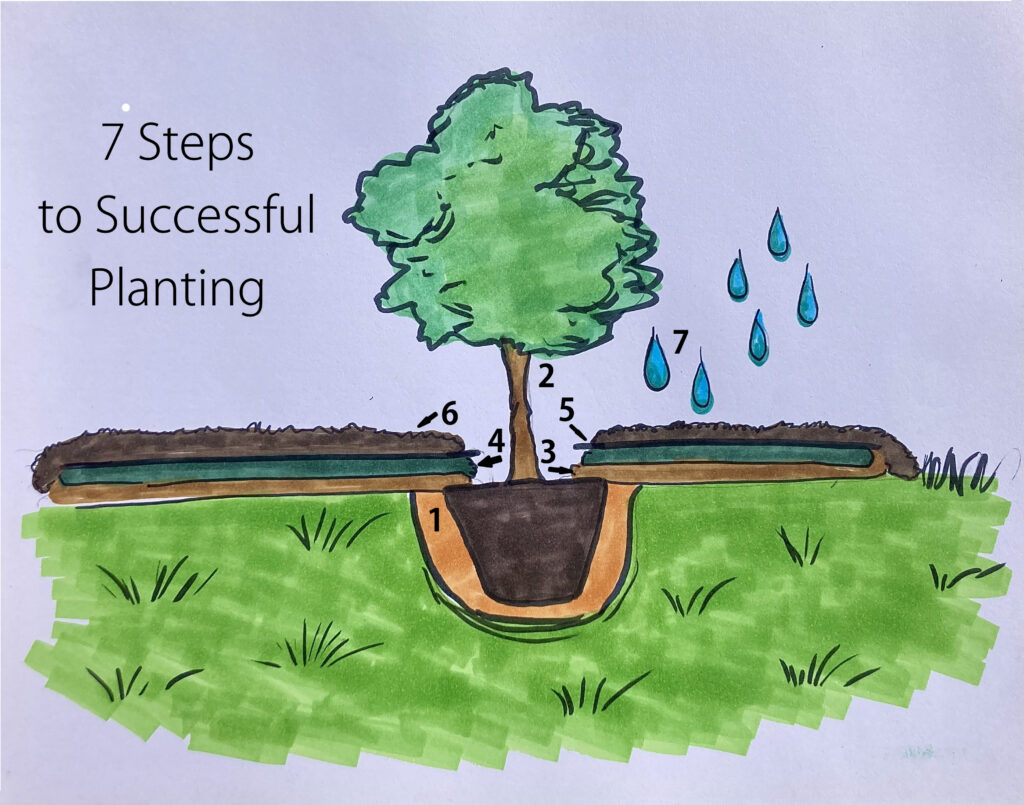
  • Plant new fruit trees and berry bushes. Here is a step-by-step process (with diagram) of how to plant a fruit tree or berry bush. Some of the info may surprise you. Remember, trees often take 3-5 years to reach a significant level of production. The best time to plant a fruit tree was 10 years ago, but the second best time is today.
  • Remove suckers from the base of fruit trees. These are likely a root stock coming back, and will essentially “suck” the nutrients from the top of the tree, so keep them cut / pinched off.
New worm bin set up with some red wigglers. My favorite part about this system isn’t even the worm castings – it’s the worm tea that can be used weekly on plants!

In the Shed

  • Set mouse / rat traps. We have really liked these bucket traps from Amazon
  • Oil hand tools: Keep hand tools oiled and clean after every use. A cheep olive oil wipe down will work wonders to help prevent rust, but you can also use a gun or motor oil as well.
  • Use the Rainy Days: When you have occasional rainy days, consider taking an hour to clean and organize in your shed or garage. Make a “donate” pile to bring to a local community garden if you find you have a surplus that could find a new home.
July Garden Calendar
Salvia in my mom’s summer garden in Michigan. There are so many varieties and colors with this plant and it always gives summer visual interest to the butterfly garden.

Livestock

  • Water rotations: In nature, animals don’t drink out of the purified tap. Sometimes their water is from a rain puddle, but other times from a stream or pond. To help mimic this and give their immune system a boost, try doing something different every time you refill their water.
    • Apple Cider Vinegar: 1 tsp per gallon
    • Honey: 1 TBSP per gallon
    • BioIivestock Probiotic: Dilution rate on bottle depending on species
    • Herbs: Add fresh oregano, thyme, rosemary, etc to their water to make a “tea”
    • Rainwater
  • Deworming Cattle / Horses: 1-1.5 cups of Basic H per 100 gallon watering container OR 1TBSP per gallon for chickens, goats, lamb.
  • Keep Chickens Cool in Extreme Heat: click the link for some creative ideas to help keep chickens cool in the hot summer months.
  • Check herd health daily: My friend Fred always says, “A good farmer is ‘out-standing’ in his field. Literally.” As a general rule of thumb you should have eyes on every animals, every day. Some animals may need morning and evening check in times, but it’s important to be attentive, especially if any animals have recently given birth.
July Gardening Calendar
Comfrey (Bocking 14) can be planted on pasture edges or around fruit trees. It’s an excellent mineral mining crop and can be used as animal fodder and forage as well. It’s a suitable replacement for supplemental minerals and calcium for many farm animals.

In the Pasture

  • Plant: Keep pastures irrigated, plant Sunn hemp for deer forage or nitrogen fixing cover crops.
  • Pasture Edge: Plant support species on the pasture or food plot edges. Consider edible berry bushes (currants, gooseberries, lingonberry, elderberry, mulberry, or paw paw trees. Other plants like comfrey, vetch, and clover can be planted on the edges to help fix nitrogen into the soil and provide additional pollination.

Around the House and Perennial Beds

  • Deadheading: Remove as many of the dead flowers as you can. This will promote more vigorous summer blooms. You may, however, want to let a few go to seed in order to save seeds for propagation next spring.
  • Fertilize flower beds: This time of year you can easily use bagged grass clippings in the annual beds to help fertilize and create mulch. If you are seeking to amend your soil, consider bone meal and azomite this time of year as your best options.
  • Spring bulb care: Cut back any of the “dead” from the spring bulbs to clean up the flower beds. If they are still green, leave them along because they are storing up their energy reserves for next years blooms.
  • Annual Flowers: Plant some pops of color around the garden. Use as many native wildflowers and perennials as possible, because the vast majority of annuals do NOT provide nectar for bees and butterflies. However, using them sparingly can still give lasting bursts of color. Some annual flowers (nasturtiums, marigolds, calendula, etc.) are also edible and medicinal and can even be used as vegetable companion plants.
  • Air out the house: On a cool morning or early evening, consider opening up the windows to air out the house. This is also a great time to change your HVAC filters indoors from extended summer AC use.
  • Power-wash lawn furniture on hot summer day. When it’s too hot to be in the garden, get a power washer to clean off the porches, deck, patio, and the furniture. Many of them allow you to add a bit of soap (like Basic H) to the washer for added cleaning power.
July Gardening To-Do List
Photo from a recent hike in the Daniel Boone National Forest in Beattyville, KY

Kids & Family Ideas

  • Visit a local hiking trail: Look up some hiking trails in your area and go out on a day adventure. Pack a lunch with you, bring extra water, and be sure to bring your camera and a foraging bag (if responsible foraging is permitted).
  • Wild Bird Feeding
    • Suet cakes for woodpeckers should be around the edges of the garden, because they will also help control caterpillars.
    • Safflower Seed: great for cardinals but also not a favorite of squirrels.
    • Water and birdbaths will help attract even more birds than the feeders themselves on hot summer days.
    • Hummingbird feeders: Never use dyed red nectar…this is completely unnecessary and not good for the birds. Also, remember that sugar water ferments quickly, so hummingbird feeders need to be changed every 3 or 4 days. If you cannot remember to change the nectar water, please take down your feeders because fermented water is a number one killer of hummingbirds.
  • Walking Sticks: Find and decorate walking sticks together. You can tie string around them and collect feathers, paint them, etc. Even as an adult, a good walking stick is a must when putting chickens up for the night.
  • Outdoor picnics: Plant at least one meal a week that is outside in nature. Maybe this week it’s grilling on the patio, but then next week might be a blanket in the grass with charcuterie boards. Perhaps sandwiches from your childhood while laying in a hammock, or a summer salad on the front porch as you wave at the neighbors passing by.

Thanks for reading our July Garden Calendar and To-Do List

As always, thanks for taking time to join on the gardening and permaculture journey. Be sure to check out the continual flow of content available via our social media channels. Remember, PermacultureFX also does virtual consulting (using Facetime, Zoom, satellite images, etc.). We’d love to help you get a plan for your property and help you create abundance and wonder.

If this article was helpful, consider sharing on social media (or with your garden groups) to help set others up to win on their property.

Happy Summer, and I’ll see you in the garden!

– Kristofer Edler


farm consultant, permaculture, florida permaculture, permaculture designer

How to Plant a Fruit Tree or Berry Bush

Easy Instructions for Successful Fruit Tree Planting

how to plant a fruit tree
  1. Prep the site:  Make sure utilities have been clearly marked by calling 8-1-1 before you dig.
  2. Gather materials:  You will need cardboard or contractor paper for weed suppression, compost, wood chip mulch, shovel, water.
  3. Digging the hole – Remove the plant carefully from the pot and set it next to the hole.  When digging, the initial hole should be nearly twice as big as the root ball itself.  Put most of the dirt you are removing in a wheelbarrow or the pot it came in.  You will be filling the hole back up with the native dirt.
    • Placing the plant – Set the root ball in the hole.  The top of the root ball should be 2-3” higher than the soil line.
      • Do NOT let the root ball go lower than the soil level. Remember, the plant will settle into the hole.  Backfill the hole with the native soil. 
      • Do NOT put fertilizer or compost into the hole.  Doing so will cause the roots of the plant to want to stay inside the hole instead of venturing out and establishing a wider root system.  Amendments should always be applied to the top of the soil.
  4. Weed suppression barrier – Use contractor paper or cardboard around the tree (whether in a circle or in a row) to kill the grass and suppress weeds.  If you are using cardboard, be sure to remove any staples or tape.   This area should be several feet on each side of the tree in order to protect the roots and help decomposition.
  5. Compost – Apply a 1” layer of compost to the top of the soil.  Keep all top dressing away from the trunk / stem of the plant.  The width of the ring should be twice the width of the canopy of the plant.
    • Soft stem plants:  Use a compost that is plant and bacteria based.
    • Hard stemmed bushes / trees:  Use a mushroom or fungal based compost when possible.
  6. Mulch – Use a good mulch or wood chips as your top dressing (4-5” deep).
    • Wood chips:  Better for woody stemmed and /or mature plants.  The benefit is that it takes longer to break down and provides a cleaner look.  Drawback is that for annual vegetables it can tie up nitrogen when it initially breaks down. 
    • Straw or grass clippings:  Better for annual flowers and annual vegetables.  Benefit is that it breaks down faster and helps heal the soil quickly.  Drawback is that is needs to be reapplied multiple times a year.
    • NOTE:  You can layer your mulch (leaves, grass clippings, straw, and wood chips on top).  Do not mulch deeper than 6” at a time.
  7. Watering – For your first watering, consider using a probiotic spray (https://www.scdprobiotics.com/products/scd-bio-ag-soil-amendment?sca_ref=1290056.jX6cET8IFB).
    • After the initial watering, use the finger / soil test to determine when the plant needs to be watered.  In general, most plants like to dry out between watering.
      • Finger test:  Put your finger into the soil at the base of the tree down to the biggest knuckle.  If the soil is moist, do not water.  If it is dry, then consider watering.
    • Plants like to be watered less frequently with a deeper watering.  Do not water the trunk of the tree, always water about 12” from the trunk (or at the drip line of the canopy).  Watering the trunk can cause root rot.  If you are using drip irrigation, a sprinkler, or bubbler, make sure they are not spraying the wood or branches of the tree.
    • After the first year, with annual mulch application, you should rarely need to water.  Once established, let the tree roots do their job and only water during drought times or when the trees look overly stressed.

REMINDER:  Fertilization in subtropic and tropical climates is best done in February, June, and September on fruit trees and berry bushes.  In cooler climates, it should be done in March / April (just before flowers emerge) and again in June just before fruit set. After the first year, fertilization is best applied as a quality compost or manure.  Chemical fertilizers are unnecessary and do not help the soil in the long run.

For additional benefit you can also apply a compost tea or late spring foliar spray during the same months listed above

Subscribe

* indicates required


How to Use Wood Ash from the Campfire | Kris Edler

wood ashes in the garden

Growing up, I have countless memories of cooking around the campfire.  My brother and I would spend hours at a time burning brush, cooking our dinners, and having s’mores after dark.  Even as a young adult, I would light a campfire in my Kansas City yard and see how many days I could keep it going, and how many meals I could cook over it during that time.  As a little known fact, I still have the same stones around my campfire that I used as a kid… I have brought them with me everywhere over the years.  Many of those rocks were from “rock hounding” adventures with my Aunt Barb and Uncle Del.

However, every so often, it’s time to clean out the fire pit and find a creative use for the ashes produced.  In permaculture, one of the keys learned from my PDC leader, Geoff Lawton, is that “the problem is often the solution.”  So, I asked myself… I could I use wood ash from the campfire creatively?  How could I give those nutrients back to my environment in a useful way?

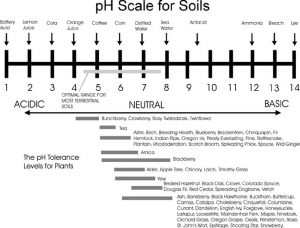
img_7678When looking around a permaculture property, there are many uses for wood ash which can be a great source of nutrients for your soil.   However, it’s important to know that with wood ash, your kindergarten teacher was right in saying, “A little dab will do ya.”  Use only a small amount and increase after a few weeks to make sure your soil pH says in the safe zone.  The reason for this is that ashes are extremely alkaline on the pH scale.
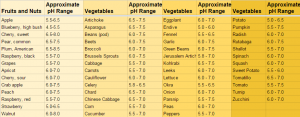
Wood Ash is Highly Alkaline

pH for vegetables
best pH for vegetable garden

Because wood ash is a high pH (often 9-13), we have to carefully consider what to do with ashes in our garden.  Optimal soils for most vegetable gardens have a pH of 6.0-7.2, so adding something like wood ashes can have a drastic effect on pH and do so very quickly.  However, using it appropriately can really help nature walk out it’s course of keeping your soil in balance.

Wood ashes are naturally occurring in nature and are a great way for nature to “reset” an environment.  For example, in the Great Plains, the Kiowa Nations would often do controlled burns in order to reset and manage the land.  In California, as devastating as wild fires can be to homes, it’s actually natures way of resetting the damaged landscape and ridding it of invasive annuals that we have brought to the area.  In upstate Washington, the fires clear out understory and add nutrients back to the soil to feed the remaining old growth forests.  This being said, though fire can be a source of destruction, it’s also a source of life in certain circumstances.

Nutrients in Wood Ash

Potassium and potash are two of the prime nutrients are available from wood ash.  The burning process makes them readily available for absorption by your plants.  In fact, potash is so soluble that if it gets wet between the burning process and the time you spread it on your plants, much of the nutrient value will have leeched into the nearby soil.

How to Use Wood Ash in the Garden

There are countless ways to use wood ashes in your garden and around your property, but understanding the soil make-up of your area is the first step before application.  You can easily find out the average pH by purchasing a test kit from a  local garden center.  You can buy kits to test it instantly (lower accuracy) or purchase a kit online that will test it overnight to get a better reading.  Either way, once you know your starting point, you can adjust your pH using organic compounds, like wood ash, to get into the optimal range.  Remember, start by adding only a small amount and give the soil a few weeks to adjust before adding more.  It’s also important to note that various parts of the property could have very different pH readings.

So, now let’s get to it:  How to use wood ashes from the campfire…

1.  Use it in the compost pile

This is especially useful if you are composting a lot of fruit (i.e. citrus) waste, because fruit (being acidic) can really lower the pH of your pile, making it a wet / slimy mess.  You can bring it back into balance by sprinkling a shovel full of ashes over the top.  Always make sure your ashes are completely cool before using.

pH for trees and bushes

2.  Sprinkle them around berry bushes and fruit trees which prefer alkaline soil or extra potassium.

I generally use them first around apple trees, currants, gooseberries, strawberries, raspberries, blackberries, etc.  They will enjoy the extra sprinkle a few times a year, especially in the early spring or late fall.  Do NOT use around blueberries, pineapple, grapes, olive, or jaboticaba – these all prefer acidic soil.

3.  Sprinkle on plants to deter pests

This application will only require a small amount of ashes to create a fine dusting.  If you do not have ducks to control snails and slugs, then wood ashes can be a great deterrent.  Carrots and turnips can also be susceptible to the flies and larvae, which can be deterred by the ashes as well.

4.  Light use in the vegetable garden

Often root crops like carrots, turnips, and beets will appreciate a sprinkle of ashes in the springtime worked into the soil.  Just a light dusting is more than enough.  I often use my wood ashes a few weeks before planting and then let it rain a few times before planting seeds.  Other plants that love the extra potash are beans, peas, and legumes.  Just remember, when using ashes in the garden, always test your soil first, so you stay in the optimal zone (6.0-7.2 pH) for growing veggies.

5.  Use them your lawn instead of lime

Wood ashes are a great substitute for adding lime to your lawn.  The easiest way to spread the ashes is to do so just before a good rain, so it soaks into the ground quickly.  This helps with the solubility and also prevents the dust from being tracked indoors or getting on your shoes.  I often use my grass seed spreader and put it on the lowest setting and broadcast the ashes that way.  Doing it by hand or with a shovel can often create piles in the grass which will over alkalize an area.   Because the CCE (Calcium carbonate equivalent) is different between lime and wood ash, you will need about 2x the amount of wood ash (compared to lime) to see the same effects on alkalization in the yard / garden.  Reference here.

6.  Indoors to control odors or absorb moisture

Keeping a small bowl of wood ashes in a closet or cabinet will not only absorb odors, but it will also help absorb moisture and control mold.  Making a bowl with wood ash is great for keeping boats and campers fresh as well.

7.  Dust baths for poultry and fowl

One of the WORST homesteading tips I have ever seen is to use Diatomaceous Earth in it’s DRY form with animals.  These microscopic crustaceans are like mini razor blades that will do permanent damage to the lungs of your animals.   So instead of using DE… consider adding wood ashes to your chickens dust-bath.  The alkaline ashes will kill the dust mites, ticks, and fleas, etc and you don’t have to worry about the respiratory health of the animals.  Not to mention, ashes will also help control odors!

8.  Add to ponds and lakes to help control algae blooms

To control an algae bloom, add about 1-2 tablespoons of ashes per 1000 gallons of water.  The ashes will not “kill” the algae, but it will slow it down and make it more manageable.   In lakes and larger rivers, it’s generally a best practice to NOT add directly to the water, but rather farther up the system, so the ash doesn’t clog the gills of aquatic life.   Reference here.

9.  Cleaning… yes… cleaning!

Wood ash can really help polish up brass and metal.  Making a paste and scrubbing down your silver might sound counter-productive – but trust me on this one!  You can also use wood ash in the garage and workshop as a way to clean up oil, gas, or chemical spills.

Sooooooo….

Now that you have a few good uses for those ashes, go outside, make a campfire and have a s’more (or three).  Permaculture is a judgement free zone… so let’s just promise to not star counting marshmallows.  Just make sure the ashes are cool before spreading.

Remember, the problem is often the solution.  Happy gardening.

How to Keep Chickens Warm in the Winter | by Kris Edler

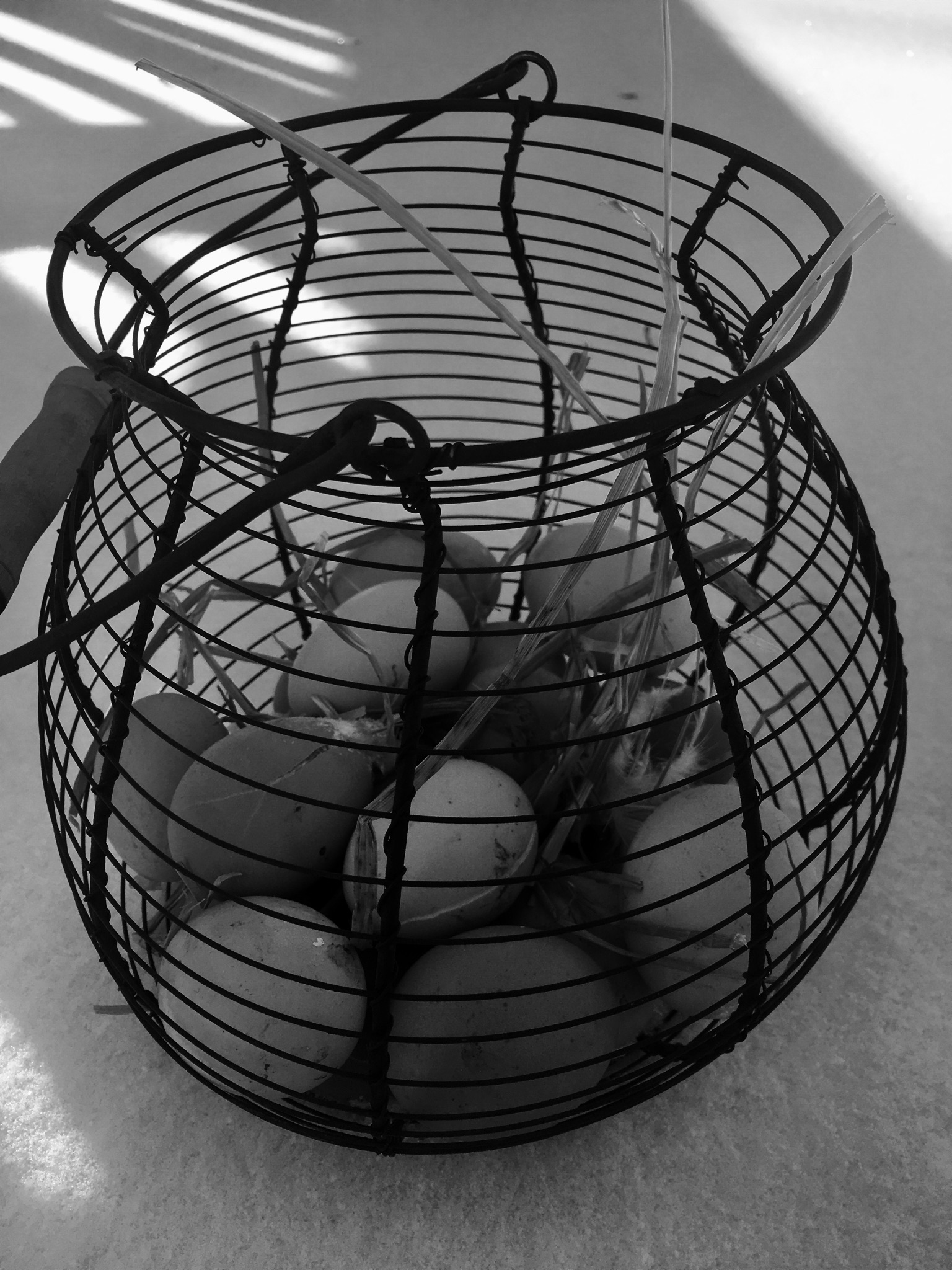
frozen eggs

How to Keep Chickens Warm in the Winter

If you live in colder climates, it can be challenging to keep chickens warm and insulated in the winter.  The fact is, learning how to keep chickens warm in the winter is NOT the same as how we would keep ourselves warm.  Heat lamps, space heaters, and candles are not a good idea in a dry chicken coop full of hay, straw, and feathers.  And yes, that even includes bitter cold location – heaters in a coop are a terrible idea and flat out dangerous.

For some reason though, many people try to heat nature the same way we would our house, however we forget that these birds have survived for thousands of years without electric heat lamps.

Here are 5 simple ways to keep your chickens warm during the cold wintery days:

1 – Feed extra calories and protein

Keep feeding the chickens their regular food, but add a little cracked or crimped corn to their diet on the colder days.  If you know the night is going to be extra cold, feed the cracked corn later in the afternoon, so they can digest it a little before roosting that evening.  This will give them the extra calories needed to produce body heat in the coop.  Don’t overdo the corn, just like with everything else, you can easily get too much of a good thing.

2 – Allow proper air flow, while minimizing drafts

As a general rule, do not have any vents open in the winter that are within 18″ of your roosting areas.  This will allow the birds to comfortably roost together and share their body heat.  Maintain good airflow in the lower levels of the coop though, because you do not want the air to get stagnant.  Remember, do not create an air tight coop.  If you are using the deep bedding method in the winter, maintaining proper airflow will also keep out the smell and keep things dry.  When I lived in Kansas City for 15 years, I would open extra (larger) vents in the summer to keep the coop cool, but cover them with cardboard in the winter to insulate the coop.  However, it’s important to always have good airflow.

3 – Feed a little extra fat

Around the holidays we all like to have a little comfort food to help us cozy up in the winter months.  Your chicken are the same way.  Here are a few easy comfort foods for your girls.

  • Black Oil Sunflower Seeds (great protein, healthy fats, etc.)
  • Suet Cakes (use ones with >6% protein)
  • Meal Worms (great protein source and especially helpful just after molting season)
  • Left Over Spaghetti (trust me, this occasional treat is hilarious to watch)
  • Left Over Meat / Fish (any cooked meats that you have for dinner are generally ok for the birds)

NOTE:  Do NOT use chicken sweaters.  These are a novelty and are horrible for the birds.  They damage feathers and prevent the birds from “fluffing”, which creates warm air pockets in their coats.

4 – Use extra bedding

Extra straw or wood shavings in the coop provide insulation, reduce smells, and absorb excess moisture.  If you are in doubt, add another sleeve of straw just in case.  Not only does this provide insulation, but it helps chickens have something fresh to scratch through, which prevents winter boredom.

5 – Keep water and food fresh

Using a heater in your coop is always a bad idea, unless you want fried chicken.  Just suck it up and change their water 2x a day.  Using warm water and keeping it fresh helps keep the birds hydrated and warm.  I typically use two waterers and bring one inside to thaw while leaving the other one out until it is frozen. Then all I have to do is switch them out during the day.  Adding a weekly tablespoon of apple cider vinegar and honey in the winter can also help boost their immune system.  Always keep the water out of the coop when possible, though.  The spilled water will create moisture in the coop, increasing the risk of frost bite.  Food should always be kept dry, so either feed inside the coop or create a “lean-to” outside of the coop to keep the snow and rain out of the food container.

So there you go, a few easy tips to keep those birds warm in the cold winter months.  If this was helpful to you, be sure to like the article and share it on your favorite social media outlet.  Keep warm and drink some extra coffee!

Short Video:  chickens in cold

What Plants Should Be Protected in a Freeze

In subtropical regions where frost is likely during the winter months (USDA Zones 9-10 especially), it’s imperative to protect certain plants during a frost. The two most common questions are these:

1. What plants should be protected during a freeze?

2. How do I protect my plants during a freeze?


Knowing what plants to cover and how to do it will help ensure the success of your garden and food forest. Keep in mind that sometimes plants only need to be covered when they are younger (under 6′ tall) or newly planted. Once plants are more established, they are less likely to die back during a hard frost, and they can take a little more beating from the elements. However, until they are established, they need to be protected with a little extra care. So, which plants (in USDA Zones 9-10) should be protected during a cold snap?

Here is a list to help you determine what needs the extra protection with a few notes on each species.

Frost cloth from A Natural Farm with Christmas light underneath to keep new mango trees warm

What Plants Should Be Protected During a Freeze

  • African Blue Basil: Cover at 33 degrees. Will die back in a freeze, but do not remove damaged leaves. It will often rebound from the woody parts in the spring. Prune after possibility of frost has passed.
  • Atemoya: Needs protection from temps under 35. Much hardier once established.
  • Avocado: Needs protection from temps under 33 while young. Not necessary to protect until 28 degrees once they are established. May loose leaves, but will come back. Check the hardiness of your exact variety, as there is quite a difference in cold hardiness.
  • Banana: Protect base and truck. Leaves will die back below 32 degrees. Leaves should be left on the tree until after April 1. Clean up dead leaves after the danger of frost has passed.
  • Barbados Cherry (Acerola Cherry): Only protect younger plants (under 5′ tall). Hardy once established, but may loose leaves in a hard frost / freeze.
  • Bilimbi: Must protect from freeze below 33.
  • Canistel (egg fruit): Must protect below 32.
  • Cashew: Protect below 33 until established. Larger trees are often hardy down to 28.
  • Cassava: Leaves will die at 32 degrees. However, at that point, it’s generally time to dig up and harvest each plant. Save cuttings of the stems to propagate more later. Dried stems can be used up to three months later (even without water).
  • Cattleya guava (strawberry guava): Hardy down to 24 degrees. Cover at 32 to protect leaves. Usually will readily rebound after leave damage occurs.
  • Carambola / Star fruit: Needs protection from temps under 35. Much hardier once established.
  • Chaya: Cover younger plants below 32. However, once they are hardened off and established, they will come back from the older growth. Great to chop and drop after April 1.
  • Cherry of the Rio Grande: Cold hardy once established, but protect if under 3′ tall.
  • Citrus: Protect below 33
  • Coffee: Protect below 34
  • Custard Apple: Protect younger trees. These may defoliate for the winter, but leaves will come back fresh in the later spring. Hardy once established. Leaves tend to get powdery mildew when the turn brown, so be ready to spray with neem and basic H.
  • Dragonfruit: ones growing up the south side of trees are often more protected. Otherwise, cover below 33.
  • Guava: Cover young plants below 33. Hardy once established and will not need covering.
  • Hibiscus: For roselle and cranberry hibiscus, it’s better to save seed and regrow in the spring time. These are actually a self seeding annual / tender perennial. Prone to powdery mildew in cooler weather.
  • Ice cream Bean: Protect below 34.
  • Jaboticaba: Young plants need protection under 35 degrees, but older plants may be much more hardy.
  • Jackfruit: Protect trees under 10′ tall at 33 degrees or below. Normal to loose leaves in a frost.
  • Longan: Protect younger trees. Hardy once established. May defoliate, but leaves will return in the spring.
  • Lychee: Protect younger trees. Hardy once established. May defoliate, but leaves will return in the spring.
  • Mango: Protect trees under 10′ tall to the best of your ability. They are hardier once established, but cannot do temps under 28 very well.
  • Miracle Fruit: Often grown in a pot in the winter so it can be taken indoors to a sunny window. Then returned outside in the warmer months in part shade or full shade. Cannot tolerate under 35 degrees.
  • Moringa: Hardy once established. Leaves will drop for the winter, but will come back in the spring. Great time to prune and shape while dormant.
  • Nasturtium: Cover or save (and dry) seeds for replanting.
  • Nightshades: Tomatoes, peppers, eggplants, ashwagandha, etc.
  • Pandan: Leave planted in a pot where frost is likely. Then bring indoors under 40 degrees. They prefer full shade when outside and a sunny window when indoors.
  • Papaya: Protect under 33 degrees. Remember, it’s a fast growing and short lived tree anyway.
  • Pigeon Pea: Will get leaf damage at 32 degrees. If leaves get crunchy, just “chop and drop” them around the base of another fruit tree. Cut back 1/3 of bush only, and they usually rebound in the spring. They are a short lived tree anyway, and mostly grown as a living fertilizer and soil builder. Easily grown from seed in pots.
  • Soursop: Protect under 37 (Mountain Soursop is more hardy tho)
  • Star Cherry (Pitangatuba): Protect younger bushes. Hardy once established. Cover under 30 degrees.
  • Strawberry Tree: Protect younger trees. Hardy once established. Cover under 32 degrees. Will often loose leaves for the winter. Prune in early spring to remove dead and give desired shape.
  • Sugar Apple: Protect younger trees. These may defoliate for the winter, but leaves will come back fresh in the later spring. Hardy once established.
  • Sugar Cane: Protect under 30 if possible. Will come back from roots if it gets frozen a bit.
  • Surinam Cherry: Only protect younger plants (under 3′ tall). Hardy once established.
  • Toilet Paper Plant (Blue Spur): Cover at 33.
  • Tropical Spinaches: Best to take cuttings of these and replant in the spring. Not cold hardy. Recommended to take cuttings in early December and protect in pots over the winter (transplant April 1). Examples: longevity spinach, Okinawa spinach, Surinam spinach, Brazilian Sisso, Jewels of Opar, etc. CLICK HERE FOR 5 TROPICAL PLANTS TO TAKE CUTTINGS OF BEFORE A FREEZE
  • Vanilla Bean Orchid: Bring indoors under 37 degrees.
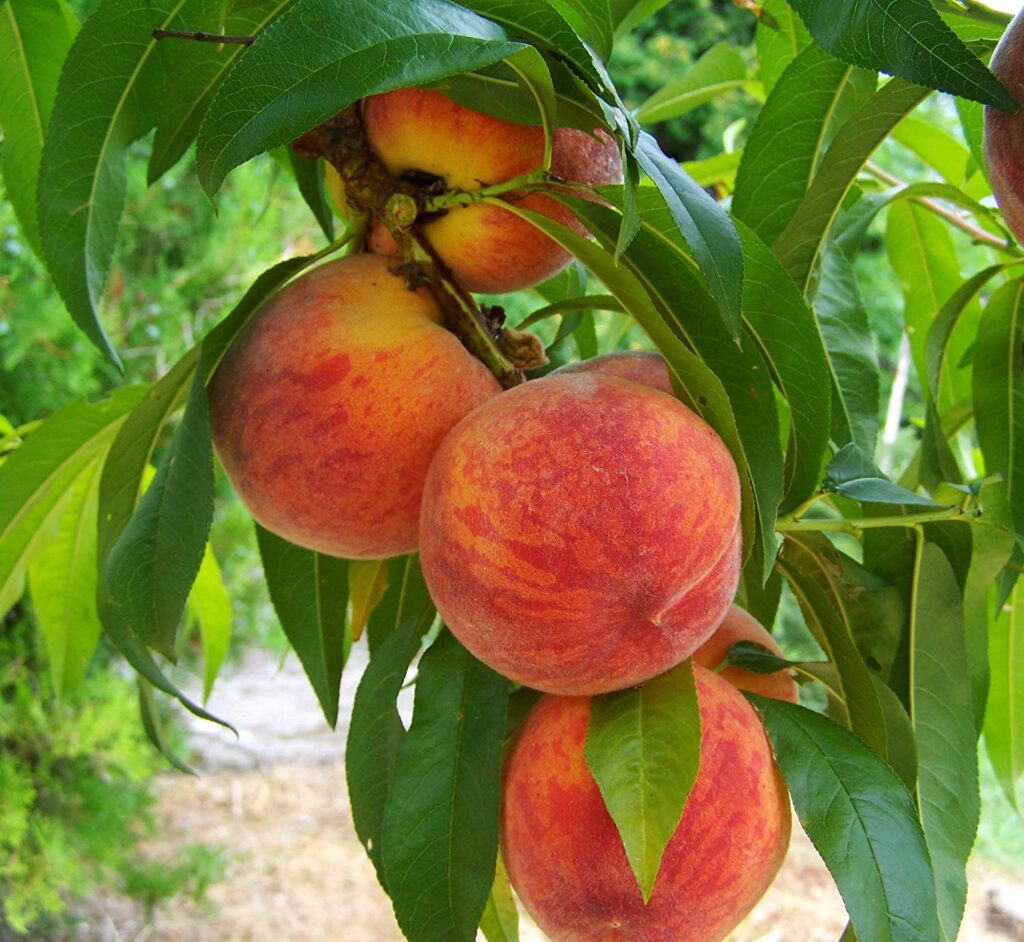
Tropic Beauty Peach
Tropic Beauty Peach – NO PROTECTION NEEDED

No Protection Needed

  • Apple
  • Apple Cactus (Peruvian)
  • Bay
  • Blackberry
  • Blueberry
  • Brassicas: kale, broccoli, cauliflower, cabbage, etc.
  • Elderberry
  • Fig
  • Ginger
  • Loquat (Un-pollinated blossoms may need some protection)
  • Mulberry (all varieties)
  • Nectarine
  • Olive
  • Peach (Tropic Beauty pictured above)
  • Pear
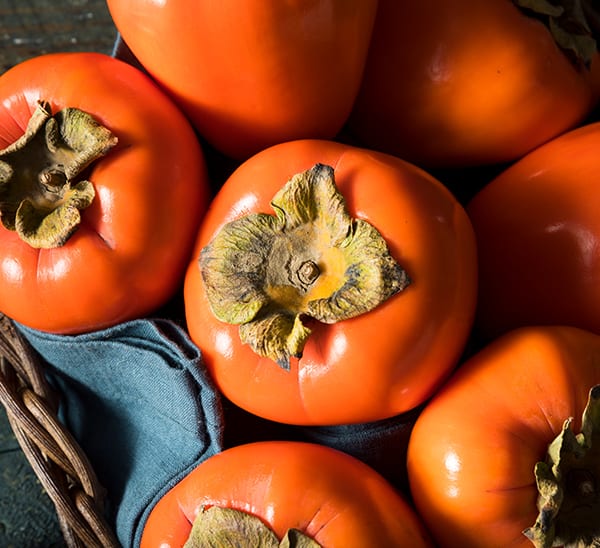
  • Persimmon
  • Plum
  • Pomegranate
  • Raspberry
  • Turks Cap Hibiscus
  • Turmeric

TIP: For online ordering of some of these plants, here is a great local place we recommend, who also ships nation-wide: https://www.anaturalfarm.com/live-plants

How to Protect Tropical Plants During a Freeze

There are several methods of protection that you can offer your tropical and cold sensitive plants during a freeze. Sometimes, layering these methods will help provide that extra bit of peace of mind.

  1. Bring younger potted plants indoors or against the house. The radiant heat from the house, concrete, and protection of a covered pool area is often enough to protect them. Some sensitive plants (like Vanilla Orchid) are better off being brought indoors for the night when frost is eminent.
  2. Cover younger plants and trees with frost cloth. This is one of the best methods for younger trees, plants that are in the ground, or if you are working on short notice. The wraps that go around individual trees are often more expensive, so frost cloth is cheeper when purchased in a longer roll.
  3. Turn on a sprinkler or misting system. The running water will help keep things moving and prevent the damage to the trees up to a certain point. Let it run all night over your food forest and into the morning until after the temps are above freezing.
  4. Start a campfire or two. The smoke and heat from the fire burning overnight can help keep the food forest warm. This does, however, require safety measures to be taken.
  5. Use old Christmas lights. Wrap sensitive trees with filament style lights, because the heat produced by the bulbs can protect the trees, especially when used under frost cloth.
  6. Spray the plants with probiotics the day before the freeze. Probiotic and microbial activity can help prevent frost damage on sensitive plants. There are some great scientific studies on this, for those who like this sort of thing. Click here for the probiotic we recommend.
  7. Mulch extra heavy with wood chips, leaves, or straw. The extra biomass is not only good for the soil, but the blanket will help protect the soil and root ball from the colder temps. The biomass will also give off radiant heat throughout the colder temperatures.
  8. Wrap small banana trunks with towels. Bananas are going to look “ugly” this time of year with a lot of dead material. Leave it on! This will serve as additional insulation until the spring arrives, and keep the plants protected.

What NOT To Do During the Cold Snap

A. Water well the few days before. It’s actually best to have LESS water in the plant leaves and stems. So do NOT water for a couple days before the frost. Let plants rest.

B. Use tarps or plastic to cover plants. The plastic does NOT breath enough and increases the humidity and formation of frost / ice crystals under the covering. In addition, the plactic will prevent plants from breathing and daytime heat will literally cook the plants, which can be more dangerous than the frost itself. Use a breathable material like an old bed sheet or frost cloth instead.

C. Leave the frost protection on the next day. Always remove the covering first thing in the morning, so the moisture can be released and the plants can slowly warm up in the morning sun. Leaving them covered can actually cause the plants to get “cooked” under the material.

D. Fertilize. Never fertilize in the weeks before or after a cold snap. Let your plants harden off and do not force new (sensitive) growth. Generally during the winter months, stop fertilization in general (only use light compost or foliar feeds).

Final Notes

If you have any further questions, feel free to reach out to us on social media or contact a local greenhouse. Get insight from other organic fruit tree and berry bush growers in your area, because they will have familiarity with your microclimate.

NOTE: We also offer several personal property consultation services. Check those out HERE.

Best of luck in the cold and we’ll see you in the garden.

Please share this post with others in your gardening network who might find this helpful.

What to Plant in Florida After a Freeze

It can certainly be disappointing to see our gardens get hit by a hard frost or a freeze… especially when we mulch nice and deep, covered our plant, or used sprinklers. It can be heart heartbreaking to see the brown and wilted carnage over the days following the frost. However, this is part of the natural cycle of nature and we (as gardeners) get to flow in harmony with that cycle of life and death. So don’t stand there frozen in the garden path – there is more to plant in Florida after a freeze.

The key to replanting in January and February is planting seeds that are going to be extra cold-hardy and fairly fast growing. So, don’t give up your winter garden yet, there is still time for a harvest over the next few months.

TIP: If you are in cold temperate climates, here are some things you can plant in the show


Preparing a Garden Bed After a Freeze

Before you start planting seeds, be sure to reset your system. Don’t leave rotting or dead plants laying around, because they can spread disease to other plants. It’s best to either bury the scraps back into the garden OR compost them to add back to the soil later. When you water your compost pile, consider adding some probiotics (CLICK HERE). However, in the food forest it’s especially important to leave the dead leaves where they are, because it will provide insulation in case of another freeze this winter. This is especially important on things like bananas. So clean up, but do so with patience and wisdom.

Next, consider adding more organic mulch to the garden beds. We prefer using a straw mulch because when it decomposes, it will create a nitrogen rich and bacterially-based soil structure, which vegetables prefer. Using wood chips on a vegetable garden can tie up nitrogen temporarily as they decompose, and also creates a fungal-based soil structure, which is more preferred by fruit trees and berry bushes. So be sure to use the right mulch in the right place.

Purple top turnip (greens are edible too)

What to Plant in Florida After a Freeze

  • Onions
  • Beets
  • Radish
  • Carrots
  • Corn
  • Cucumbers
  • Winter peas
  • Sunflowers
  • Cosmos
  • Zinnia
  • Sweet potato slips
  • Squash
  • Gourds
  • Zucchini
  • Turnips
  • Watermelon
  • You can also keep doing many greens like arugula, lettuces, mustards, and komatsuna greens (or bok choi).
Daikon radish help till the soil, has edible roots, edible leaves and flowers, and is excellent livestock forage.

FRUIT TREES & BERRY BUSHES TO PLANT IN JANUARY – FEB

Some fruit trees and berry bushes actually do BETTER when they are planted while dormant. In fact, some of the following varieties will even grow in snowy winter climates, which makes them extra hardy. Here are some fruit trees to plant after a freeze (or anytime in the winter):

  • Peach
  • Plum
  • Nectarine
  • Pecan
  • Apple / Pear (but they don’t do well in Zones 9-11)
  • Loquat
  • Mulberry
  • Fig
  • Persimmon
  • Jujube
  • Grapes
  • Bamboo (clumping)
  • Olive
  • Elderberry
  • Blueberry
  • Thornless blackberry
  • Strawberry Guava
Breakfast Radishes